


The United States shed 23,000 jobs in July, defying analyst expectations of a rise in employment, as weakness in local government education and retail dragged the monthly total into negative territory.
The result marks a notably soft patch for the world’s largest economy during what is traditionally a quieter period for hiring. Despite the headline drop, the unemployment rate held steady at 4.1 per cent, offering some reassurance that the broader labour market has not deteriorated sharply.
According to Finance, however, the underlying picture is more concerning. The Bureau of Labor Statistics revised down its earlier figures for May and June by a combined 103,000 roles, a meaningful correction that suggests the summer slowdown may be more pronounced than initial data indicated.
Revisions of that scale tend to attract close attention from policymakers and economists. A single month of unexpectedly weak numbers might reasonably be attributed to seasonal noise, but paired with substantial downward adjustments to the two preceding months, the overall picture becomes harder to set aside.
Local government education employment, which is particularly susceptible to seasonal volatility around summer break schedules, was among the sectors weighing most heavily on the July total. Retail also contributed to the decline, a segment already under sustained pressure from shifting consumer spending habits.
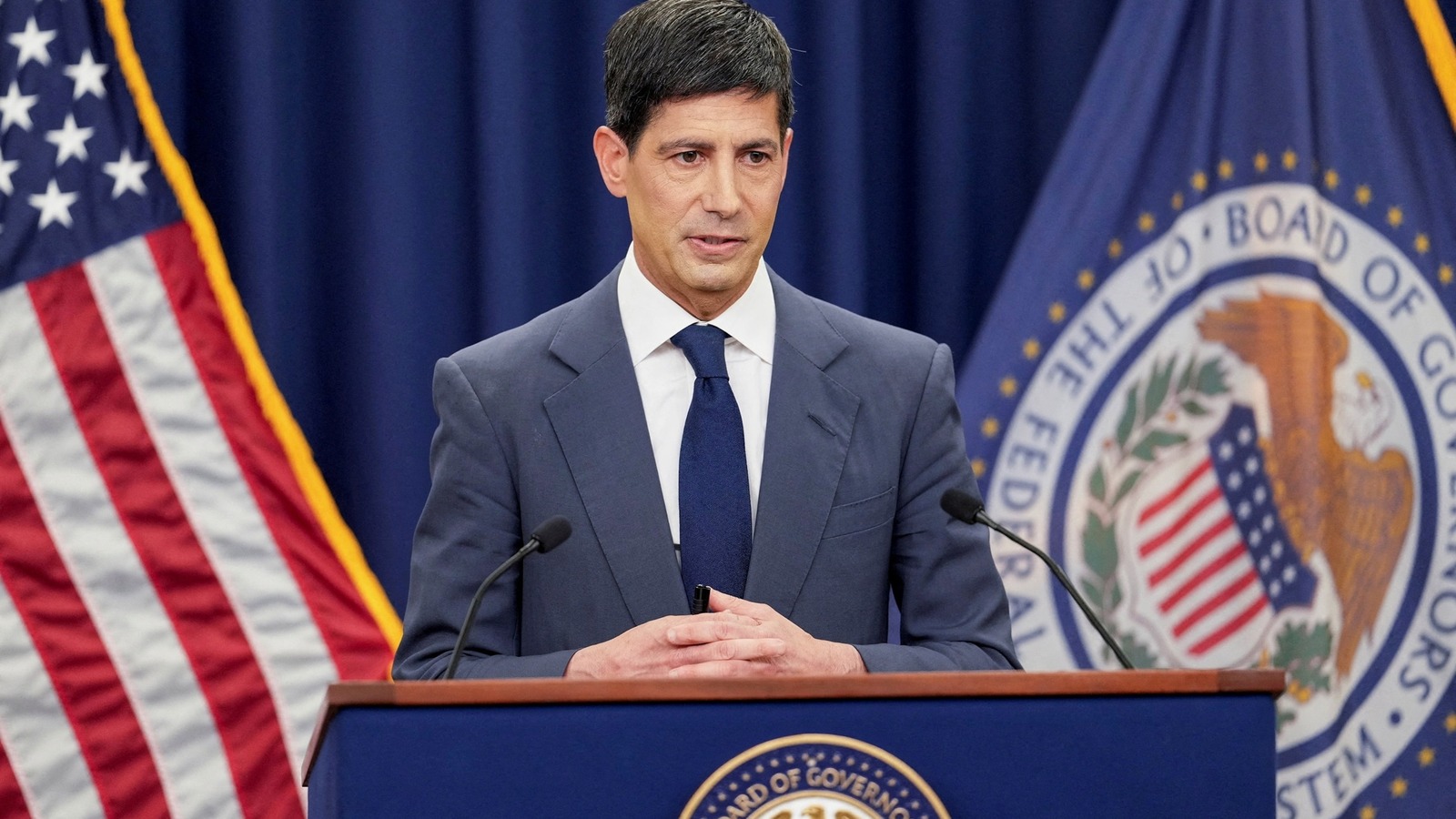
The Federal Reserve will be watching the data carefully as it weighs the pace and timing of any interest rate adjustments. A labour market cooling more quickly than previously understood could strengthen arguments for an earlier or more pronounced easing of monetary policy, though officials have consistently stressed they need sustained evidence before acting.
For business leaders and HR decision-makers, the figures are a prompt to revisit workforce planning assumptions ahead of autumn. A softer jobs environment can shift negotiating dynamics, affect consumer confidence and alter the pipeline of talent that companies are competing to attract.
The next monthly report will be closely watched to determine whether July represents a brief dip or the start of a more sustained shift in hiring conditions.