



Malta’s public finances deteriorated sharply in the first seven months of 2025, with the Consolidated Fund registering a deficit of €518 million, according to new figures published by the National Statistics Office (NSO). This compares with a surplus of €60 million during the same period last year, and a deficit of €302 million in 2023.
Total recurrent revenue between January and July reached €4.1 billion, broadly flat compared with 2024. Income tax and VAT receipts declined by €21.6 million and €44.3 million respectively, while social security contributions rose by nearly €100 million, cushioning some of the fall. Grants from abroad, however, were down by more than €100 million on last year.
On the expenditure side, government spending surged by almost €592 million, or 15%, to €4.6 billion. Recurrent expenditure alone rose by €472 million, driven by higher personal emoluments, programmes and initiatives, and larger contributions to government entities. Capital spending also increased by €99 million, almost 29% higher than a year earlier. Interest payments added further pressure, rising by €20 million to €168 million.
The deterioration in Malta’s fiscal balance was mirrored in rising public debt. By the end of July, central government debt stood at €11.16 billion, up €1.39 billion, or 14%, compared with a year earlier. Most of the increase came from higher issuance of Malta Government Stocks, which grew by €1.29 billion to €9.8 billion. Foreign loans also edged up, while savings bonds declined.
Looking at July alone, government finances also weakened. The month recorded a deficit of €61 million, reversing a surplus of €150 million in July 2024. Revenue for the month fell by 8%, largely due to weaker income tax and VAT, while expenditure rose by almost 29%, driven mainly by higher capital outlays.
Breaking down expenditure by function, the largest increases over the seven-month period were in social protection, education and health. Social protection spending, which includes pensions and welfare, reached €1.43 billion. Education expenditure rose to €236 million, while health spending climbed to €256 million.
The figures highlight the growing pressure on Malta’s public finances as government balances social and economic commitments against slowing revenue growth. The sharp rise in debt levels suggests increased reliance on borrowing to cover the widening fiscal gap. While the economy continues to expand, the fiscal numbers are likely to intensify debate ahead of Budget 2026 on the sustainability of public finances, the scope for additional social spending, and the trade-offs between investment and consolidation.
You Might Also Like
Latest Article
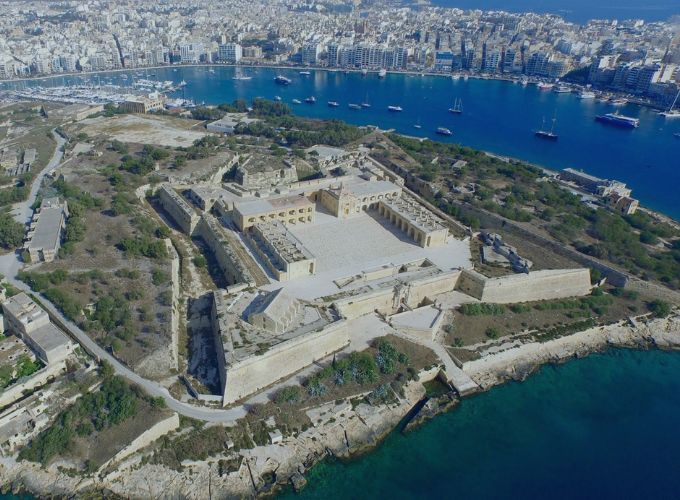
MIDI To Receive €43M As Manoel Island Concession To Be Rescinded
MIDI plc has reached an in-principle agreement with the Government of Malta to partially rescind its long-standing concession over Manoel Island and Fort Tigné, in a deal expected to result in a net payment of around €43 million to the company. The agreement would see the emphyteutical concession over Manoel Island and Fort Tigné terminated, … Continued
|
17 March 2026
Written by MeetInc.

Navigating Change In A Shifting Media Landscape
|
16 March 2026
Written by Chris Mifsud

Malta To Allow 16-Year-Olds To Open Companies Under New ‘Youth Enterprise’ Legal Framework
|
13 March 2026
Written by MeetInc.

Epic Wins Malta’s Fastest Network Award At Mobile World Congress
|
13 March 2026
Written by MeetInc.