


Yannick Pace
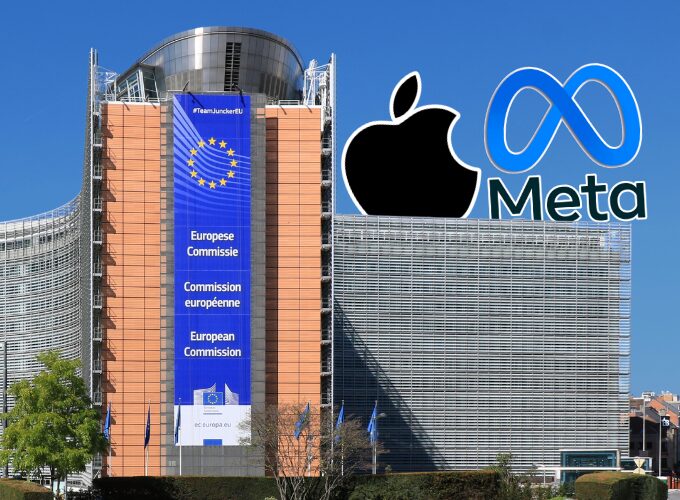
Apple and Meta have become the first companies to be fined under the EU’s sweeping Digital Markets Act (DMA), with Brussels handing out a combined €700 million in penalties on Wednesday.
Apple was fined €500 million for breaching the DMA’s “anti-steering” rules, after regulators found it blocked developers from directing users to cheaper options outside the App Store. Meta received a €200 million fine for its “pay or consent” model, which required users to either pay for ad-free access or agree to data tracking across Facebook and Instagram—without offering a less personalised, equivalent service.
The fines come amid deepening friction between the EU and US over the regulation of Big Tech. The DMA, which came into force last year, is meant to prevent the most powerful platforms from abusing their market dominance and to ensure greater consumer choice.
In a statement, the European Commission said the fines reflect the gravity and duration of the breaches. While the DMA allows penalties of up to 10% of a company’s global turnover, both fines fell well below that threshold. Apple and Meta reported revenues of €342 billion and €143 billion respectively in 2024.
Apple responded by announcing it will appeal. “Today’s announcements are yet another example of the European Commission unfairly targeting Apple in a series of decisions that are bad for the privacy and security of our users,” the company said, accusing the Commission of “moving the goalposts” despite significant efforts to comply with the new rules.
Meta also pushed back, saying the EU was “attempting to handicap successful American businesses while allowing Chinese and European companies to operate under different standards.”
Despite these objections, the Commission described its actions as “firm but balanced.” In a statement, EU antitrust chief Teresa Ribera said the fines “send a strong and clear message” that gatekeeper companies must comply or face serious consequences.
Notably, the Commission did drop part of its Apple investigation after the company allowed users to change their default browser and remove pre-installed apps like Safari, in line with other DMA requirements.
While the fines mark a landmark moment for EU digital policy, their release was oddly subdued. Neither of the two commissioners responsible for enforcing the DMA—Ribera and Henna Virkkunen—were present, with Ribera in Mexico and Virkkunen visiting an AI facility in Germany. The decisions were announced via press release.
Both companies now have 60 days to comply or face further penalties. Meanwhile, political fallout may be on the horizon. US President Donald Trump has previously threatened retaliatory tariffs if Brussels moves against American tech firms.
As enforcement under the DMA ramps up, Apple and Meta’s cases are likely to set the tone for how aggressively the EU regulates Big Tech—and how hard Big Tech pushes back.