

Hailey Borg
In an article in Times of Malta, it was revealed that a team of Maltese researchers has found that human blood reverts to its foetal state in space, potentially leading to breakthroughs for thalassemia patients who suffer from dysfunctional haemoglobin after birth and require lifelong transfusions.
Thalassemia patients have a genetic issue with adult haemoglobin, and restoring high levels of foetal blood could alleviate their symptoms.
By analyzing data and blood samples from NASA astronauts, the researchers confirmed that the switch from adult to foetal globin in space mirrors changes on Earth. This discovery is crucial for understanding and aiding millions with this severe hereditary blood condition, including 22 patients in Malta.
“The next step is to identify the molecule responsible for this switch. Space acts as a laboratory that can help us design drugs on Earth, including gene inhibitors to treat thalassemia and other blood diseases.”
Although the key molecule has not yet been found, Borg is optimistic. “We have now chosen a specific path with no more trial and error. We know where we are heading, and the data supports our direction.”
One possible explanation is that microgravity in space triggers the gene switch mechanisms. In this environment, astronauts experience a decrease in red blood cells, possibly due to bone mineral density loss, Borg noted.
The question remains why astronauts’ bodies and blood – typically healthy adults – revert to foetal genes and expression in microgravity.
“We don’t know yet, but that is our next mission,” Borg said.

Mission Possible
The research, conducted in collaboration with other leading academics, used the space environment to solve a crucial part of the puzzle, Borg explained.
“Our hypothesis was that foetal haemoglobin levels would increase, and we were correct.”
The study included actual blood samples from American, Japanese, and private astronauts before, during, and after spaceflight.
During the pandemic, Borg read about these blood changes and contacted NASA to investigate their blood levels.
“Two years later, we have data and confirmation. NASA’s SpaceX civilian crew platform provided the data for this historic mission.”
The study also involved blood samples from the first space machines for Malta’s blood and tissue cancer arm, established in 1990. This program, led by the International Aerospace Exploration Agency and private company SpaceX, manufactures and launches rockets and spacecraft.
Borg identified a molecule responsible for the foetal-to-adult haemoglobin switch at birth, thanks to a unique Maltese family with high levels of foetal haemoglobin who did not suffer from thalassemia.
While the aim was to make patients transfusion-independent, it turned out that targeting this single gene was not enough for a cure.
“It is a key player, but not the key,” Borg concluded.
You Might Also Like

Latest Article
CORINTHIA LONDON RETAINS TWO MICHELIN KEYS IN 2026 MICHELIN GUIDE
Corinthia London has retained its Two MICHELIN Keys in the 2026 MICHELIN Guide, reinforcing the luxury hotel’s continued recognition within London’s hospitality landscape. The distinction reflects the experience the hotel seeks to deliver from its location in the heart of the British capital, bringing together London’s heritage, energy and culture with the hospitality associated with … Continued
|
23 September 2026
Written by Kim Vucinovic Cutajar
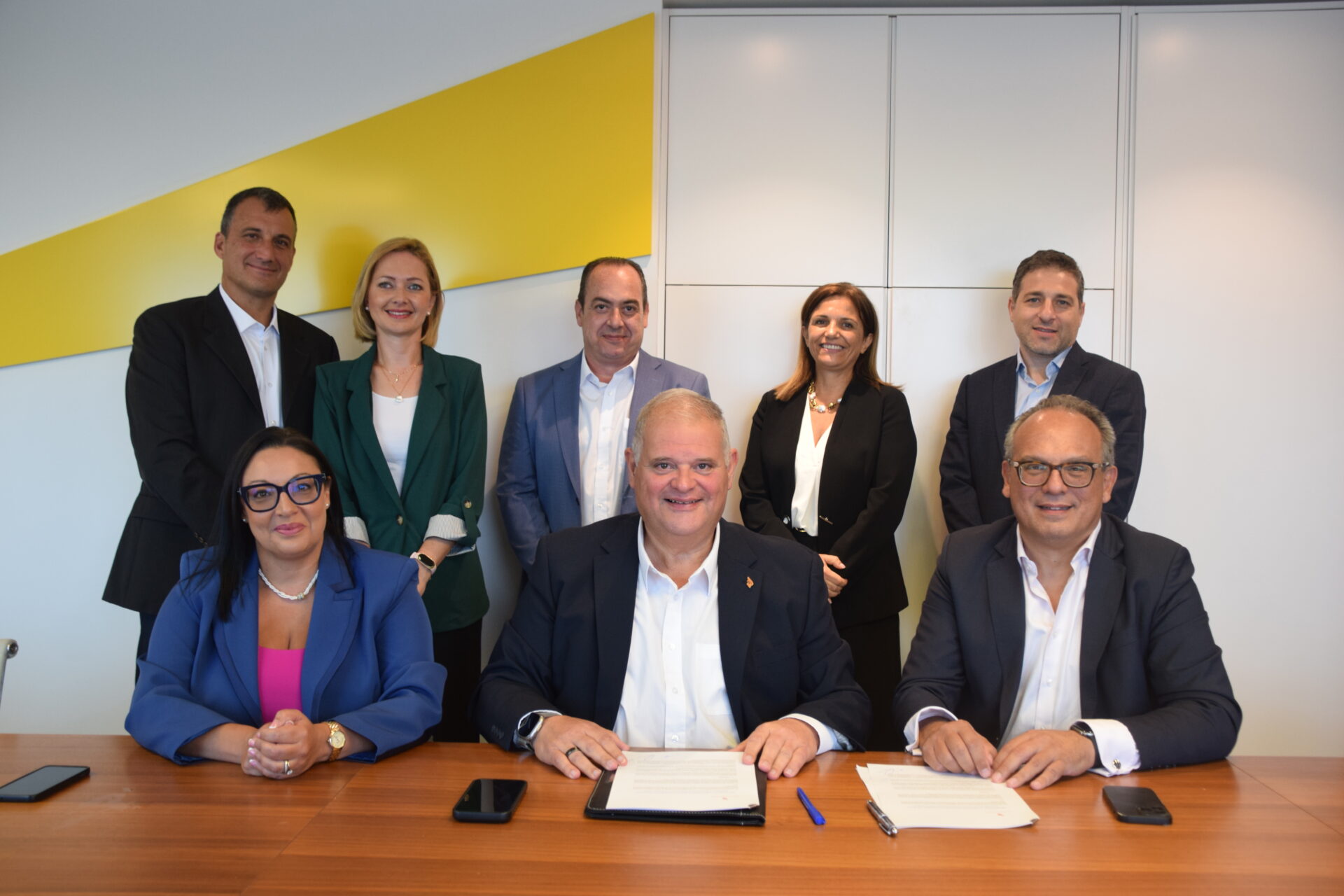
THE MALTA CHAMBER AND EY MALTA RENEW GOLD COLLABORATION ALLIANCE
|
23 September 2026
Written by Kim Vucinovic Cutajar

DOORDASH PAYS $131.5 MILLION TO SETTLE NEW YORK CITY WORKER UNDERPAYMENT CLAIMS
|
23 September 2026
Written by Yannick Pace