



Simon Azzopardi
The technology industry has gone through hype cycles (ecommerce, social media, short video…) and we are entering a new one where the EU has a strong advantage.
AI is being embedded everywhere, from writing to code, to designing experiences, to giving guidance on security. It is a lot less obvious today that AI is part of every process. And technologists are comfortable (sometimes even quite arrogant about it). We are hyper-aware of AI at least. But what about everyone else? How can they trust that an application is safe? Or that the content they are given is correct when it involves your wealth, health or family?
This is a new cycle, the trust cycle.
Big tech is notoriously bad at self-regulating and pivoting to the whims of politicians, and that is highly likely to be the angle Big Tech (US) will get. In the last few months, they have removed any doubt that they care about your children, your mental health or your data. Your life and your data is like oil that they can burn and profit from.
When talking about AI and your children’s education, people need more.
And this is where the EU has a great track record. Not because we are more moral, but because regulators force better standards. When we look at financial services, the EU (ECB/EBA) has been a lot more conservative since the 2008 crisis. Banks are seen as safer havens (albeit with less margins – though even here the gap is closing). Regulation pushes for better “cash under the mattress” than US peers which forces higher governance standards. This, amongst many thousand other regulations to make European banks stronger fortresses.
Of course this has downside, but the fact that EU banks hold a stronger trust rating than US counterparts is interesting, and should be leveraged.
The EU is, and ought to continue taking a stance that tech companies using data and AI models must have the same fiduciary responsibility as financial institutions have with other people’s money. It already is doing this. Look at how it is copying Open Banking standards with the European Health Data Space to make sure that you can move your medical data with you.
The issue though is that this is a double-edged sword. Safe is slow. The EU has been a regulatory buzzkill for the last few decades, destroying most innovative ambitions. The EU is notoriously fragmented. And risk allergies have not been solved. The EU needs to move from policing to effective partnering with EU tech companies. It needs to weaponise its procurement arm to help investors get over risk hurdles. It needs to create safe sandboxes to allow for speed with safety belts for customers.
For a long time, I thought the EU had very little chance of having much impact on global technology. The trust cycle though is a real opportunity for EU tech entrepreneurs to take advantage of the European Union’s correct stance on safety-first finance, healthcare and social values.
The EU has an opportunity to be the adult in the room, not just a referee
You Might Also Like

Latest Article
VDH Group Offloads Polish Hotel In €15.7m Portfolio Move
Von der Heyden Group Finance plc has announced the disposal of a hospitality asset in Poland, as part of efforts to strengthen liquidity and optimise its portfolio. The asset, a four-star hotel located on Długi Targ in Gdańsk, comprised 89 guest rooms along with related hospitality and commercial facilities. It was held through Długi Targ … Continued
|
13 April 2026
Written by MeetInc.
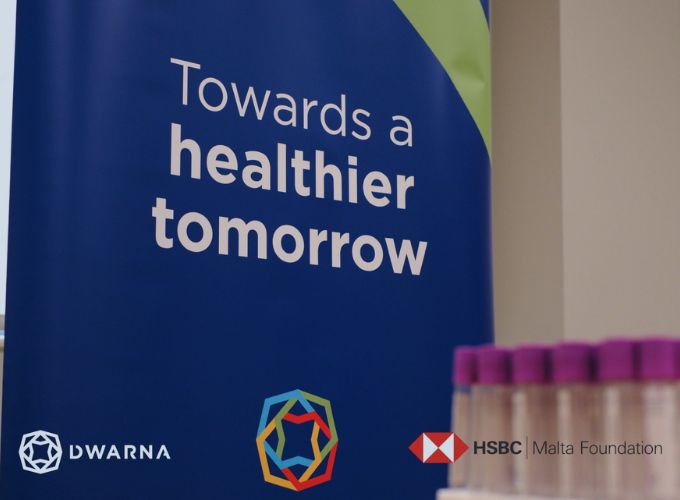
HSBC Malta Staff Join National Genomics Project Through On-Site Initiative
|
13 April 2026
Written by MeetInc.
Malta Chamber Partners With EMCS To Boost Data-Driven Policy
|
10 April 2026
Written by MeetInc.