
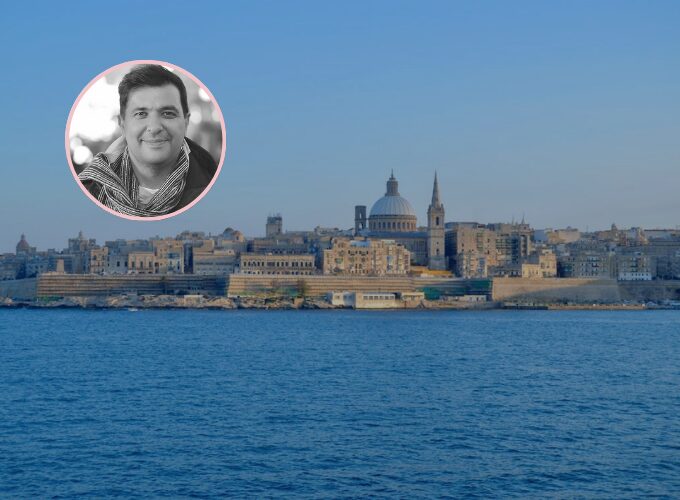


Whether an electoral test arrives sooner or later, Malta is already gearing up for one. Not only at the ballot box, but in the public square, in boardrooms, in classrooms, and at kitchen tables. The year ahead will be a test of questions; practical questions, uncomfortable questions, and ultimately decisive questions. The answers may not land neatly in 2026, but they will catch up with us, one way or another.
The most immediate driver is the pace of change we have experienced in a short span of time. Rapid population growth has brought undeniable economic activity, but it has also exposed the limits of systems that were never designed for this level of intensity. Traffic is now more than an inconvenience; it is a structural constraint on family life and business productivity. When people are consistently out of time; stuck behind the wheel, missing appointments, arriving late to collect children, cutting into rest and wellbeing; that is not “normal urban friction.” It is a daily tax on quality of life.
This pressure is not isolated to roads. Healthcare, education, and social services are under sustained strain. Demand has risen quickly, while capacity; physical, human, and operational; takes years to build. Even where effort is being made, the lived experience of many people is that public services feel crowded, slower, and harder to access. Infrastructure is being tested across the board; the general bus service, the Gozo ferry, and the wider transport network are all operating in an environment of higher load, higher expectation, and lower tolerance for disruption.
At the same time, it would be a mistake to pretend this is only a technical or logistical challenge. Drawing on my own experience of the UK in the early 2000s; when rapid immigration-driven population growth similarly tested public services and social cohesion; it is clear that the real fault line is often preparedness, pace, and public honesty. Sean Gravina has articulated a point that many people feel but few say plainly; Malta is not only overcrowded and under strain, but experiencing a rapid, unmanaged cultural transition that leaves many people feeling displaced; so the debate must address identity and belonging alongside numbers and services. This argument is not racist, and it would be shallow to brand it as “far-right” by default; the core issue is that when change happens too fast, without structure, without guidance, and without clear information, uncertainty hardens into tension. If we avoid that reality, we end up talking around the symptoms while ignoring what is driving the emotional temperature of the country.
So, yes; economic growth will continue to matter. But a more strategic question is now moving centre stage; what sort of growth do we actually want? Growth can be an enabler, or it can become a stress multiplier. The electorate is increasingly likely to ask; are we prepared for the present? Are we prepared for the future? And what does “prepared” even mean in a small, dense country where every system is interconnected?
Energy is a strong example of this interconnectedness. Malta has largely seen stable prices in recent years, supported by subsidies that were necessary to protect households and enterprises. But subsidies are, by design, a stop gap; not a long-term operating model. Against a background of geopolitical tension that can quickly raise commodity prices, especially oil and its derivatives, the question becomes unavoidable; is the country structurally prepared for volatility? When the going was good, did we invest in the right assets; generation, grids, storage, demand management, and efficiency; to secure the next decade?
Investing in renewables is no longer only an environmental necessity; it is fast becoming a primary driver of energy security and independence. This is especially relevant as global energy demand rises; not only because transport is electrifying, but because AI, data centres, and digital infrastructure are reshaping consumption patterns worldwide. In that environment, Malta must ask whether it is positioning itself to compete and to benefit.
Which brings us to another critical question for 2026; is Malta prepared to harness AI as a niche economic driver, in the same way the country successfully built capability in areas like financial services, online gaming, pharmaceuticals and aviation in earlier phases of economic transformation? This is not about slogans. It is about readiness; skills, regulation, infrastructure, data governance, and an innovation ecosystem that can turn technology into high-value work.
Ultimately, the electorate will judge whether our political class has the vision; and more importantly, the drive; to make Malta ready. But this year’s questions are not only national. They are personal. Many people will ask themselves; am I living wisely? Is it acceptable to be permanently out of breath? Is it acceptable to be stuck in traffic, away from what I am supposed to be doing; or away from those I care for most?
Preparedness is not rooted in fear. It is rooted in being smart, thoughtful, and honest about constraints. It makes us agents of change rather than receptors of change. It is the discipline of building capacity before crisis, and of leaving Malta a better place than the one we inherited.
2026 will be a year of questions. The responsible thing is not to dodge them; it is to answer them with clarity, courage, and competence.
You Might Also Like
Latest Article
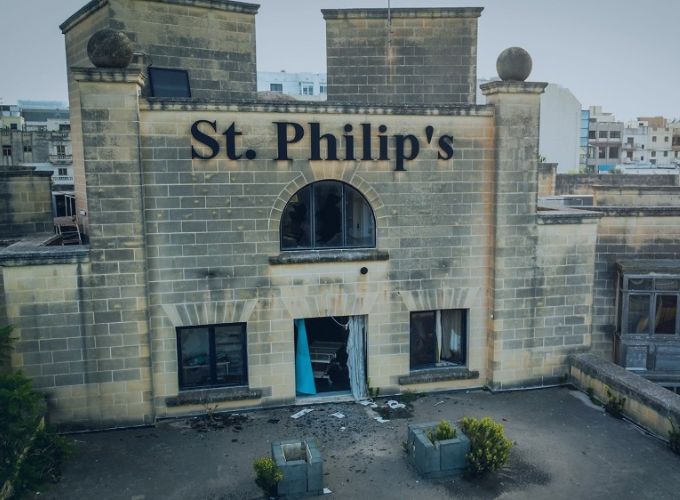
Carlo Stivala Acquires €14m HSBC Debt Linked To St Philip’s Hospital
Developer and hotelier Carlo Stivala has acquired more than €14 million in debt originally owed to HSBC Bank Malta by the former operators of St Philip’s Hospital, a move that significantly reshapes the contest for the site in Santa Venera. Court documents show that the debt was transferred to Cast Renting Limited, a company where … Continued
|
10 March 2026
Written by MeetInc.
Malta Chamber Partners With PTL To Accelerate Business Digitalisation
|
10 March 2026
Written by MeetInc.
CrediaBank Eyes €16bn Balance Sheet After HSBC Malta Deal
|
10 March 2026
Written by MeetInc.

CrediaBank Profit Surges As Bank Prepares For HSBC Malta Takeover
|
6 March 2026
Written by MeetInc.