


More than 192,000 foreign tourists spent at least one night in Gozo last year, marking a 7% increase compared to 2024, according to newly released figures from the National Statistics Office.
The data points to continued growth in the island’s tourism sector, with arrivals spread more evenly across the year rather than concentrated solely in the summer months.
Summer remained the busiest season, accounting for 37% of total foreign visitors. However, spring represented 27% of arrivals and autumn 26%, while winter accounted for 10%. October emerged as the single busiest month for foreign tourism, and December recorded the strongest year-on-year growth rate. Every season saw an increase compared with 2024.
The figures also indicate broader growth across the sector. Collective accommodation stays — combining both foreign and domestic tourism — rose by 22% over the year, with each month registering an increase compared to the previous year.
Clint Camilleri, Minister for Gozo, described the trend as positive and sustainable, highlighting the impact of efforts to position Gozo as a year-round destination rather than a purely seasonal one.
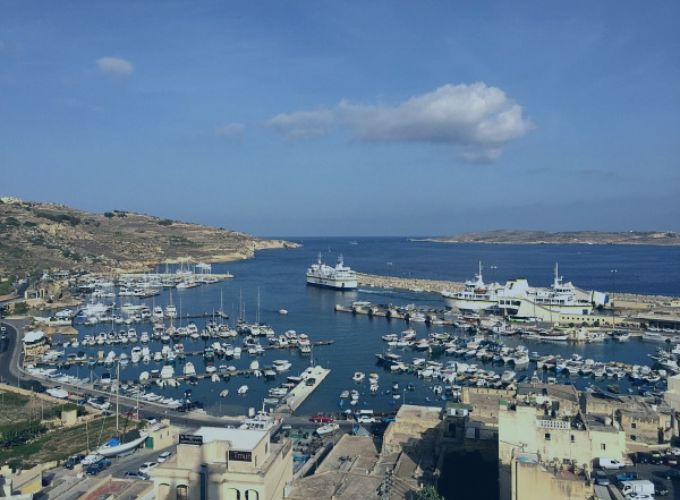
Improved connectivity was cited as a contributing factor. In 2025, more than 46,000 ferry crossings were recorded between Malta and Gozo — around 1,700 more than in 2024. Authorities have also signalled further investment in maritime infrastructure, including two new vessels expected to enter service in 2029 at a projected cost of approximately €130 million.
A dedicated task force has been established to assess the infrastructural capacity of Mgarr Harbour to ensure it can accommodate future demand.
Cultural programming also formed part of the island’s tourism push. The Ministry for Gozo supported 326 cultural activities throughout 2025, aimed at strengthening the island’s events calendar and broadening its appeal beyond traditional peak months.
While the rise in visitor numbers is being framed as a positive indicator of diversification and resilience, policymakers have acknowledged that increased tourism also places pressure on infrastructure and services.
You Might Also Like
Latest Article
Mediterranean Maritime Hub Signals Full Repayment Of €15m Bond At Maturity
Mediterranean Maritime Hub Finance plc has signalled its intention to fully repay its €15 million 4.8% unsecured bond at maturity in October 2026, according to its latest Financial Analysis Summary published in February 2026. The bond, issued in 2016 and listed on the Malta Stock Exchange, carries a fixed coupon of 4.8% and represents the … Continued
|
23 February 2026
Written by MeetInc.
Subbasta Malta Launches Platform For Court-Supervised Property Sales
|
23 February 2026
Written by MeetInc.
Gozo Sees 7% Rise In Foreign Tourists To Over 192,000
|
23 February 2026
Written by MeetInc.