

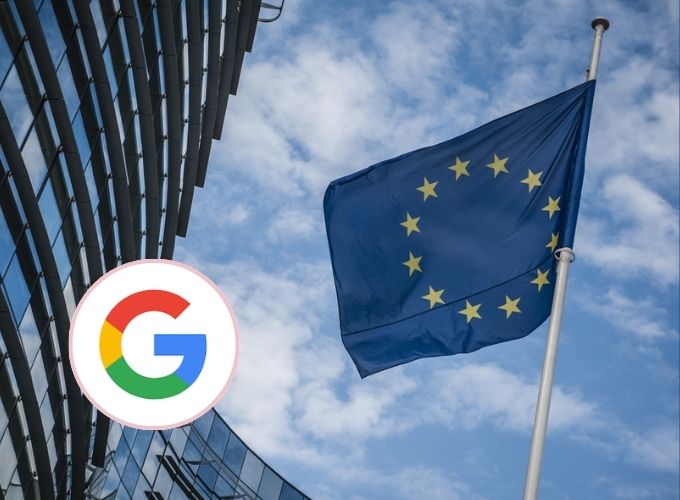
Google has cautioned the European Union against restricting access to foreign technology as Brussels advances plans to strengthen digital sovereignty, warning that excessive curbs could undermine the bloc’s own competitiveness ambitions.
Kent Walker, Google’s president of global affairs and chief legal officer, said Europe faces what he described as a “competitive paradox”: seeking economic growth while limiting access to technologies that could help drive it.
The comments come as EU leaders gather to discuss measures aimed at boosting competitiveness in an increasingly volatile global economy. In recent months, calls for greater digital independence have intensified, fuelled in part by geopolitical tensions and concerns that transatlantic relations could deteriorate under US President Donald Trump.
Brussels is expected to unveil a new “tech sovereignty package” later this spring, focused on expanding sovereign cloud infrastructure and reducing reliance on large US technology companies. The initiative is part of a broader strategy to ensure Europe retains control over key digital infrastructure, data storage and software ecosystems.
Walker argued that Europe should pursue what he termed “open digital sovereignty”, balancing strategic control with continued access to global innovation. He suggested partnerships between US tech groups and European firms could offer a way forward, ensuring local data storage and regulatory compliance while preserving access to advanced technologies.
The debate unfolds as European alternatives begin to gain traction. French artificial intelligence start-up Mistral recently reported a sharp rise in revenues, benefiting from growing demand among European businesses for non-US technology providers.
At the same time, regulatory tensions between Washington and Brussels have deepened. The EU has introduced sweeping digital legislation in recent years, including the Digital Markets Act, which seeks to curb the dominance of large technology platforms. Google remains subject to ongoing discussions with the European Commission regarding compliance under the framework.
Walker said the company values regulatory certainty and consistency, noting that divergent national rules across markets can complicate software development and deployment. He also highlighted the widespread use of Google services in Europe, including search, email, mapping and translation tools.
While Google is not calling for a rollback of EU digital legislation, it is urging policymakers to adopt what it describes as a pragmatic and forward-looking approach, particularly in emerging areas such as artificial intelligence. According to Walker, the rapid pace of AI development risks outstripping regulatory frameworks.
You Might Also Like

Latest Article
FreeMalta.com Brings Numbers-First Clarity To Salaries And Cost Of Living In Malta
A new Malta-focused financial intelligence platform has launched with a clear mission: strip away opinion and present the numbers behind life on the island. FreeMalta.com positions itself as a data-driven guide to salaries, taxation and the real cost of daily living in Malta. Designed for locals, expatriates and those considering relocating to the country, the … Continued
|
13 February 2026
Written by MeetInc.

Malta Joins 44-Nation Global AI Partnership
|
13 February 2026
Written by MeetInc.
Google Warns EU Tech Sovereignty Push Risks Hurting Competitiveness
|
13 February 2026
Written by MeetInc.