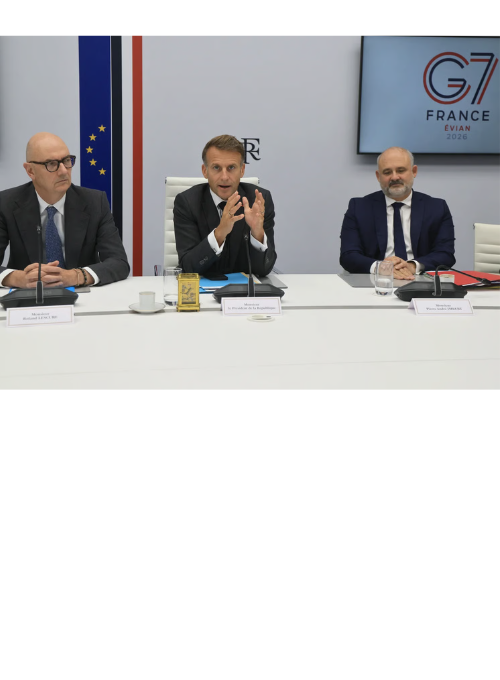


G7 nations have agreed to release up to 100 million barrels of diesel and crude oil over four months, following emergency videoconference talks hosted by French President Emmanuel Macron, as soaring energy prices continue to squeeze consumers and businesses across the industrialised world.
The coordinated move, announced on Friday, includes a substantial diesel release within the first 20 days. Leaders also committed to coordinating refinery maintenance schedules across their countries, aiming to prevent simultaneous capacity shutdowns and to push utilisation rates higher where possible.
Donald Trump confirmed the agreement on his Truth Social platform, describing Europe as having agreed to release a massive amount of its diesel stocks, with the process to begin immediately. The White House had spent the preceding week pressing European allies, particularly Germany and France, which together hold a significant share of the EU’s diesel reserves. Treasury Secretary Scott Bessent put the administration’s position plainly on Thursday, arguing that American farmers, truckers and businesses should not be left bearing the burden of a global diesel shortage alone.
Energy prices have climbed sharply since the United States and Israel struck Iran in late February. US diesel prices have surged around 70 per cent since then, reaching $6.37 per gallon. A further spike followed the escalation of the Russia-Ukraine conflict in July, with drone strikes on Russian infrastructure significantly curtailing that country’s refining capacity.
Andy Lipow, president of Lipow Oil Associates, offered a measured assessment of the deal’s likely impact. He suggested the release would broadly replace the volume of Russian diesel exports that have been banned, but cautioned that it might trim diesel prices by only around 25 cents per gallon and would do little to ease underlying refinery capacity constraints, with many American and European refiners already running at or near full output.
Brent crude ended Friday’s session at $102.25 per barrel, largely flat on the day but still more than 60 per cent above where it began the year.
The announcement also carries obvious political timing. With midterm elections due on 3rd November, just 41 per cent of registered voters approve of Trump’s handling of the economy in recent polling and Friday’s deal offered his administration a concrete headline on one of the campaign’s most pressing concerns.
On a related front, the European Commission moved swiftly to rule out any US diesel export ban, calling such a move harmful to all parties. European Commission President Ursula von der Leyen welcomed confirmation that G7 members would not impose export restrictions on allies.