


MeetInc.
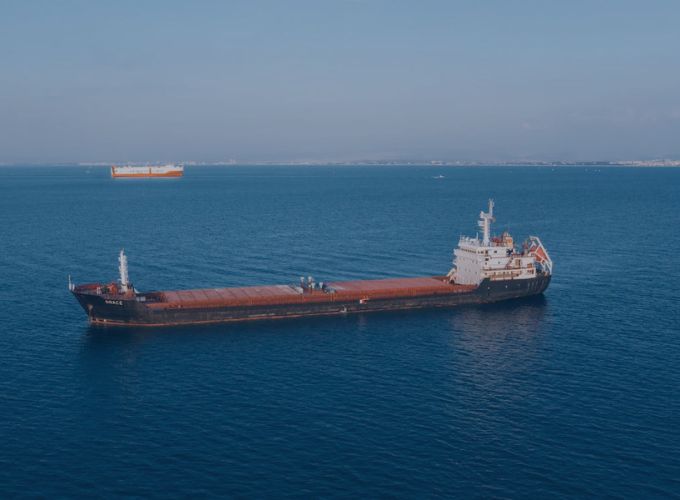
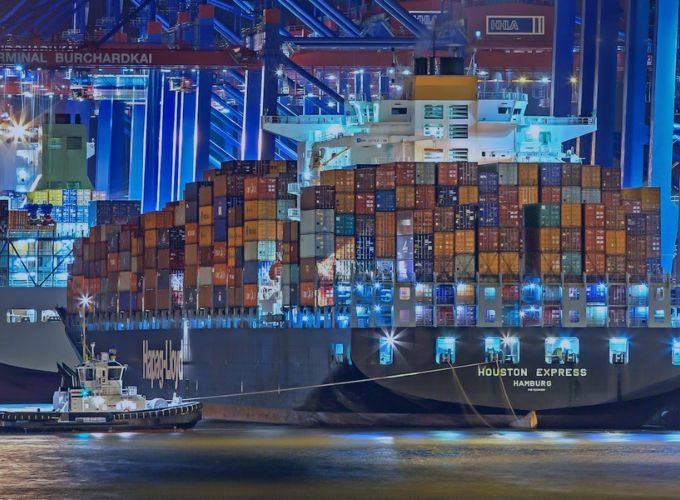
The European Commission has announced a €2.9 billion investment plan aimed at accelerating the adoption of renewable and low-carbon fuels across Europe’s aviation and maritime sectors — two of the bloc’s hardest industries to decarbonise.
The new funding, part of the EU’s multiannual budget running until 2027, will support large-scale projects focused on the production and deployment of biofuels and e-fuels. These green fuels are considered critical to achieving the EU’s net-zero emissions goal by 2050, with aviation and maritime transport together responsible for more than 26% of total transport-sector emissions.
Commissioner for Sustainable Transport and Tourism Apostolos Tzitzikostas said the package would “strengthen Europe’s competitiveness while moving decisively towards a net-zero future,” adding that scaling up renewable fuels would make Europe’s transport “cleaner, more resilient and more affordable.”
The Commission estimates that around 20 million tonnes of sustainable fuels will be needed by 2035 to meet targets, requiring up to €100 billion in total investment from both public and private sources.
Under existing EU rules, the shipping industry must reduce its greenhouse gas intensity by 2% from 2025 and by 80% by 2050. The aviation sector, meanwhile, will be required to use 20% sustainable aviation fuel (SAF) by 2035, with 5% sourced from synthetic e-fuels made using captured carbon and renewable electricity.
However, the Commission acknowledged that current supply levels of SAF and e-fuels fall short of post-2030 demand, with over 40 e-fuel projects still in the planning phase and none yet reaching a final investment decision.
Industry groups welcomed the funding but urged urgency. Airlines for Europe (A4E) said mandates alone would not create a functioning market, calling for greater action to make SAF affordable. Transport & Environment (T&E) described the inclusion of e-fuels as a breakthrough, though warned that prioritising biofuels could undermine progress.
In shipping, the World Shipping Council (WSC) described the plan as “a promising first step” but stressed that without mechanisms to close the cost gap between renewable and conventional fuels, uptake could stall despite major fleet investments.
The package includes €300 million through the European Hydrogen Bank, earmarked for aviation and maritime e-fuel projects — part of a broader effort to preserve Europe’s technological leadership in clean energy and sustainable transport.
You Might Also Like

Latest Article
‘Eight Years Doesn’t Happen By Chance’, Says MIA CEO After European Recognition
Malta International Airport CEO Alan Borg has hailed Malta International Airport’s continued recognition among Europe’s top-performing airports as the result of sustained investment, disciplined execution and a culture of service excellence. In a LinkedIn post reflecting on the airport’s latest achievement, Borg said eight consecutive years among Europe’s leading airports “doesn’t happen by chance,” pointing … Continued
|
2 March 2026
Written by Yannick Pace
PB Group Expands Logistics Footprint Through Thomas Smith–FastDrop Joint Venture
|
2 March 2026
Written by Yannick Pace

IZI Finance Launches Second Bond Issue As Group Targets €1bn Turnover
|
2 March 2026
Written by MeetInc.