

EU foreign ministers have pushed back sharply against the diesel deal struck over the weekend between United States President Donald Trump and Russian President Vladimir Putin, warning that it undermines transatlantic unity at a critical moment in the war in Ukraine.
The arrangement, announced by Trump on social media, would see Moscow release 300,000 tonnes of diesel to American and global markets immediately, with a further 500,000 tonnes to follow in November and an additional one million tonnes after that. To enable the deal, Washington issued a broad sanctions waiver covering Russian diesel imports until April 2027, a move that has alarmed Kyiv and its European partners in equal measure.
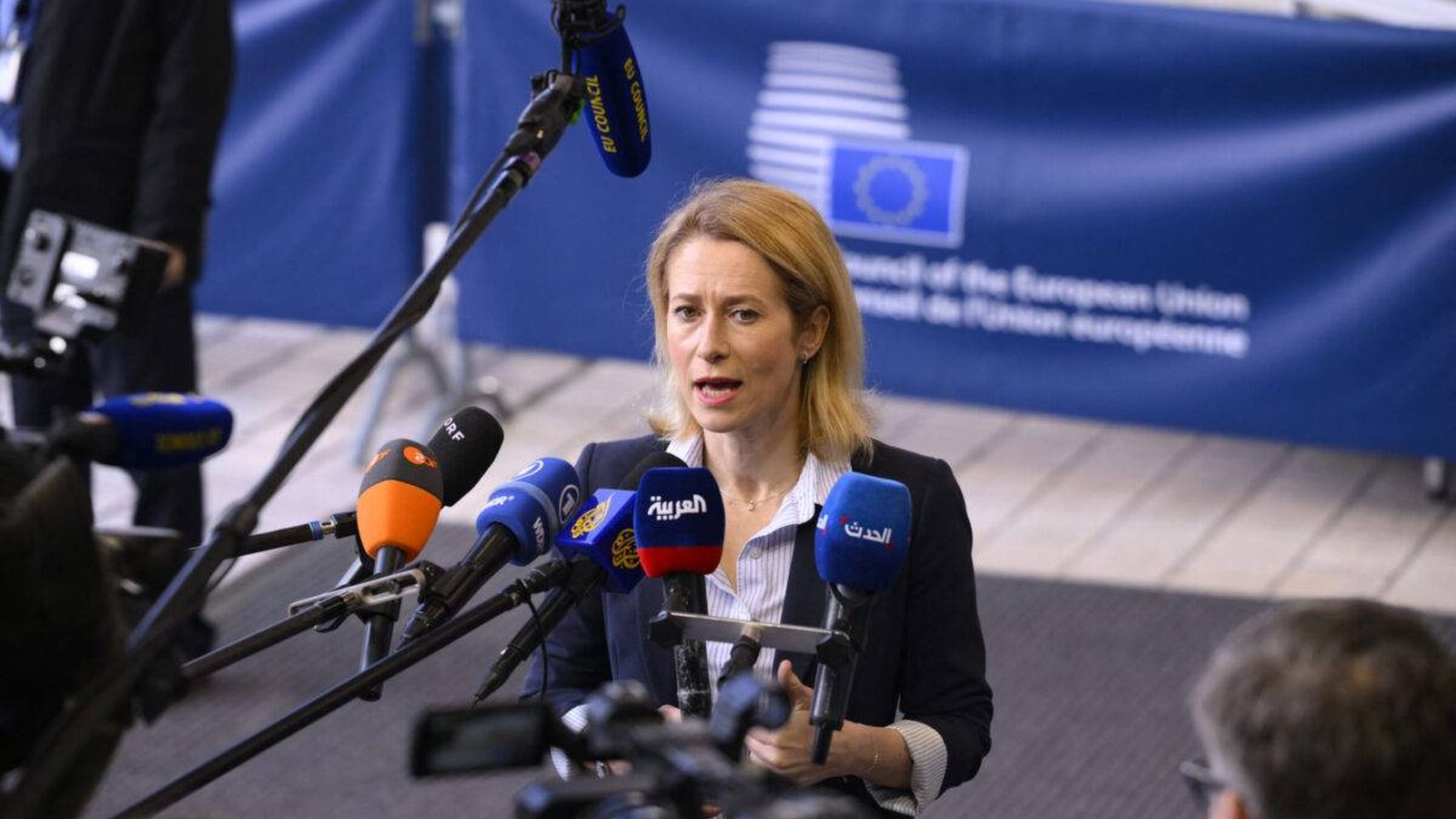
Ministers gathered in Luxembourg on Monday to address the situation, with EU foreign policy chief Kaja Kallas setting a firm tone from the outset. "The US is our biggest ally, but our message is clear: if we want to end this war, the only way we can do this is putting more pressure on Russia," she said. Kallas urged the White House to activate the Graham bill, legislation that would impose far-reaching sanctions and tariffs on Moscow. The law, passed following Senator Lindsey Graham's sudden death, grants the final decision to presidential discretion, leaving its prospects uncertain.
The bloc moved simultaneously to reinforce its own position, adopting what it described as the largest-ever expansion of its sanctions regime, targeting more than 1,600 individuals and entities accused of sustaining Russia's war effort. More than half of those named are linked to ballistic missile production.
Ireland's Foreign Minister Helen McEntee described the deal as "concerning" but said Europe would hold its course. "Our priority has to be to maintain that pressure, but also to maintain our channels with the US, because this is not going to be achievable without the support of the US," she said.
Sweden's Maria Malmer Stenergard was more direct, saying she hoped the deal would not come into force and urging EU member states to draw on immobilised Russian assets to increase military and financial support for Ukraine regardless of Washington's direction.
Lithuania's Kestutis Budrys said the arrangement helped neither fuel prices nor transatlantic cohesion, while Estonia's Margus Tsahkna connected it to the domestic political pressure Trump faces ahead of next month's US midterm elections, predicting its material impact would be limited.
Kallas also raised concerns about an energy ceasefire announced by Trump on Sunday, noting its structure heavily favoured Russia. Ukraine operates a single oil refinery; Russia has 32 major facilities. "It is definitely to the benefit of the Russians," she said.