

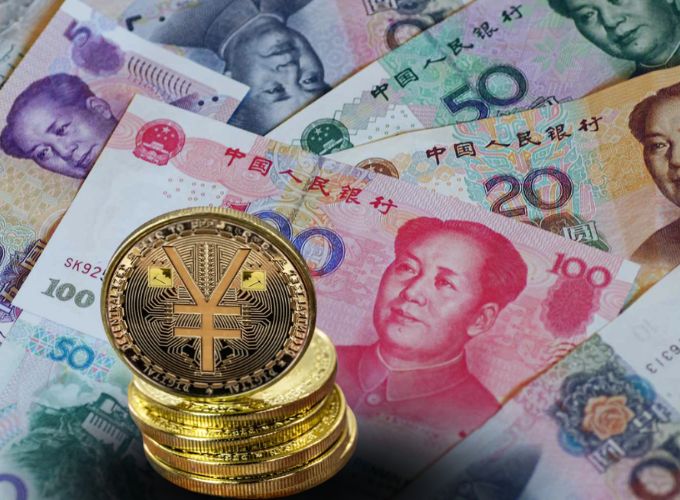


China is preparing to launch its first stablecoins as part of a broader effort to internationalise the renminbi and challenge the dominance of the US dollar in global digital finance. However, policymakers’ concerns over capital outflows and financial stability are tempering the pace of development.
Hong Kong has emerged as Beijing’s testing ground for stablecoin initiatives, given the blanket ban on cryptocurrency trading on the Chinese mainland. The city recently passed legislation allowing licensed firms to issue stablecoins backed by fiat currencies, but authorities are proceeding cautiously. Only a limited number of licences will be issued in the initial rollout next year, reflecting a conservative approach designed to manage risk.
Chinese regulators are increasingly focused on the rise of dollar-backed stablecoins, which they see as entrenching US financial dominance in digital payments and settlements. Policymakers hope that by fostering yuan-backed stablecoins, they can extend the global reach of the renminbi, especially for cross-border trade and financial transactions.
Yet the push for a digital financial foothold is clashing with China’s strict controls over its capital account. Officials are wary that stablecoins, by their very nature, could facilitate unmonitored capital flows, undermining Beijing’s ability to manage financial stability. The People’s Bank of China has recently ramped up consultations on digital assets, emphasising the need to align any new projects with national financial controls.
In Hong Kong, regulators have echoed these concerns, focusing on the risks of money laundering and speculative bubbles. The Hong Kong Monetary Authority (HKMA) is requiring strict compliance from stablecoin licence applicants, scrutinising their reserve management, use-case applications, and legal frameworks to ensure robust oversight.
For now, the HKMA is restricting stablecoin applications to business-to-business uses, limiting their early adoption and keeping the focus on corporate payment solutions rather than retail transactions. This measured approach is in stark contrast to the rapid proliferation of stablecoins in the US market.
Despite the regulatory caution, interest among Chinese state-owned enterprises is growing. Several SOEs with Hong Kong operations are exploring stablecoin initiatives, seeing potential in streamlining payment and settlement processes. However, among China’s four dominant state-owned banks, only one is expected to receive a stablecoin licence in the initial phase.
The HKMA has not ruled out stablecoins backed by offshore renminbi, which could facilitate cross-border payments while maintaining some level of control. Yet, China’s ambitions to counterbalance the dollar in the digital asset space face significant hurdles, not least the technological and regulatory challenges of scaling stablecoin adoption without jeopardising financial oversight.
You Might Also Like

Latest Article
‘Eight Years Doesn’t Happen By Chance’, Says MIA CEO After European Recognition
Malta International Airport CEO Alan Borg has hailed Malta International Airport’s continued recognition among Europe’s top-performing airports as the result of sustained investment, disciplined execution and a culture of service excellence. In a LinkedIn post reflecting on the airport’s latest achievement, Borg said eight consecutive years among Europe’s leading airports “doesn’t happen by chance,” pointing … Continued
|
2 March 2026
Written by Yannick Pace

PB Group Expands Logistics Footprint Through Thomas Smith–FastDrop Joint Venture
|
2 March 2026
Written by Yannick Pace

IZI Finance Launches Second Bond Issue As Group Targets €1bn Turnover
|
2 March 2026
Written by MeetInc.