


Central Bank of Malta has maintained its medium-term growth outlook, projecting that Malta’s real GDP will expand at an average rate of 3.7% between 2026 and 2028.
According to the Bank’s latest forecast publication, the growth outlook remains unchanged from its previous projections. GDP is expected to grow by 3.6% in 2025 before stabilising at 3.7% annually over the subsequent three years.
Economic expansion is forecast to be driven primarily by private consumption, supported in part by recent adjustments to income tax bands. Net exports are also expected to contribute positively, particularly through services trade, though domestic demand is projected to remain the stronger growth driver.
Employment growth is set to moderate gradually, easing to 2.3% by 2028. The unemployment rate is forecast to decline slightly to 2.8% from this year onward, reflecting continued labour market resilience.
Wage growth is expected to remain robust but gradually moderate over the projection horizon as labour market tightness eases.
On inflation, the Bank projects that the Harmonised Index of Consumer Prices (HICP) will fall to 2.3% in 2026, before easing further to 2.1% in 2027 and 2.0% in 2028. The decline is largely attributed to moderating services inflation. Core inflation — excluding energy and food — is expected to reach 1.9% by 2028. Compared to previous projections, overall inflation expectations remain broadly unchanged.
Fiscal indicators are also forecast to improve steadily. The general government deficit-to-GDP ratio is projected to narrow from an estimated 3.0% in 2025 to 2.0% by 2028. Meanwhile, the debt-to-GDP ratio is expected to peak at 47.1% in 2026 before easing to 46.2% by 2028.
The Bank described risks to economic activity as broadly balanced. Downside risks stem from potential international economic weakness and geopolitical uncertainty. However, stronger-than-expected employment and wage growth could boost private consumption and output beyond current projections.
Inflation risks are slightly tilted to the upside, particularly if services inflation proves persistent or food prices rise due to adverse climate conditions. On the fiscal side, risks are viewed as deficit-increasing, largely linked to possible spending pressures, including energy support measures and wage-related outlays.
The publication also includes dedicated analyses of real wage developments during the recent high-inflation period and the dynamics of food inflation.
You Might Also Like
Latest Article
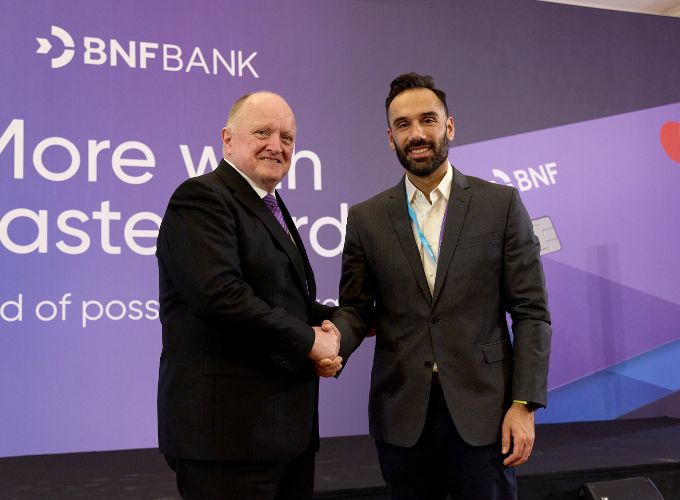
BNF Bank and Mastercard Partner to Bring Added Value to Maltese Customers
BNF Bank and Mastercard have announced a strategic partnership designed to enhance the everyday banking experience for customers in Malta. Combining BNF Bank’s local expertise with Mastercard’s global network and innovation, this will deliver greater value across daily spending, travel, entertainment, and digital payments. Turning everyday payments into unforgettable moments A key highlight of the … Continued
|
25 February 2026
Written by Ally Stivala
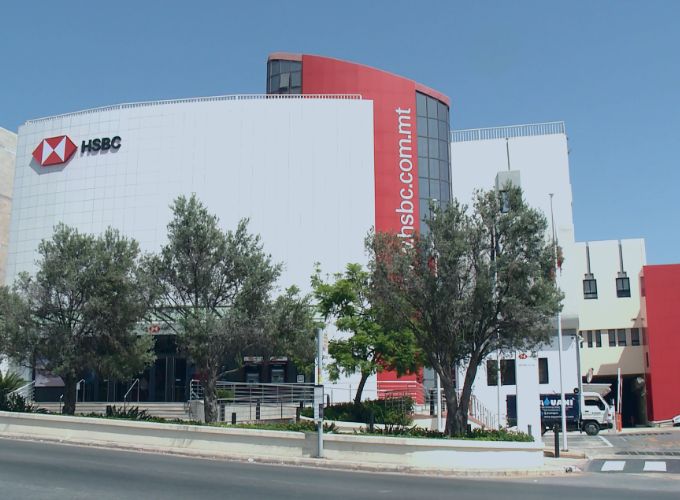
HSBC Malta Delivers €109m Profit And 60% Dividend Payout In 2025
|
25 February 2026
Written by MeetInc.

Central Bank Forecasts Steady 3.7% GDP Growth Through 2028
|
25 February 2026
Written by MeetInc.