


Yannick Pace
Two jobs long considered immune to automation—teaching and medicine—are now firmly in AI’s sights, according to Bill Gates.
The Microsoft co-founder and long-time health philanthropist said artificial intelligence is on track to solve critical labour shortages in sectors like education and healthcare. And in doing so, it may force societies to rethink the structure of work itself.
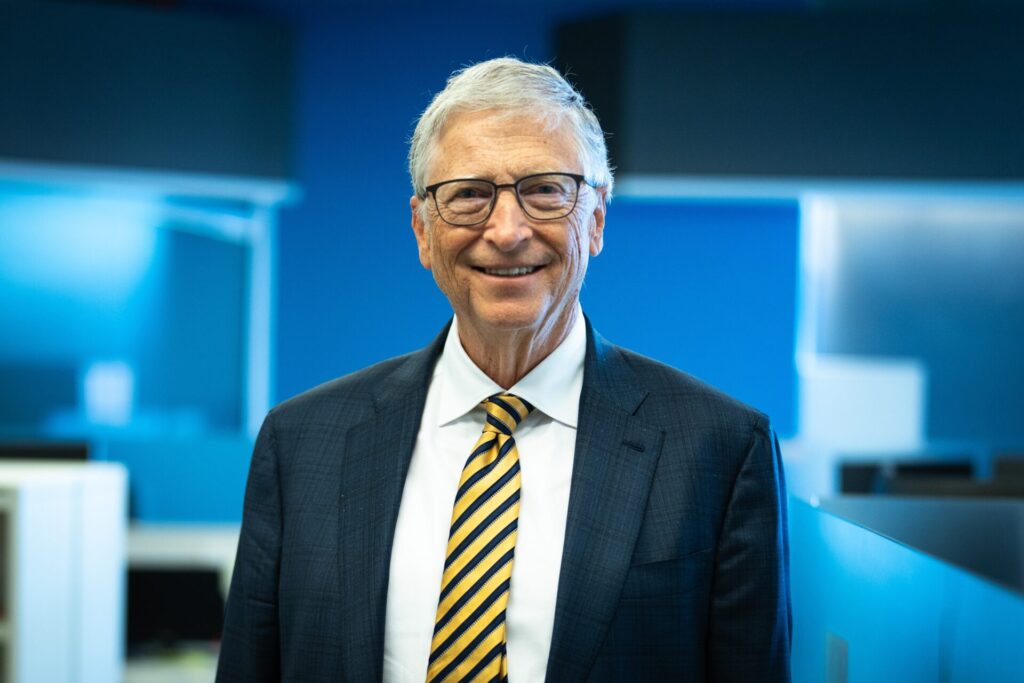
“AI will come in and provide medical IQ, and there won’t be a shortage,” Gates said in a recent podcast interview. His comments reflect a growing consensus among tech leaders and researchers: that generative AI and automation will move far beyond white-collar tasks and start reshaping core pillars of public life.
In many developed countries, healthcare systems are under strain. Populations are ageing, rural and marginalised communities often go underserved, and medical professionals face rising workloads and burnout. Teaching faces similar challenges, with schools across Europe, Asia and elsewhere struggling to fill vacancies and retain staff.
Startups and enterprise platforms are betting big on AI as a solution. In healthcare, that means tools that automate repetitive tasks like notetaking and billing, assist with diagnosis, and help flag patients for emerging treatments. In classrooms, AI is being piloted to support lesson planning, exam prep, and personalised learning—freeing up human teachers to focus on mentorship and emotional support.
The benefits come with risks, but Gates sees massive potential to augment human workers in these essential sectors—and eventually reduce reliance on hard-to-scale training pipelines. “The hands have to be awfully good to do those things. We’ll achieve that,” he said, referring to AI’s growing physical capabilities.
And it’s not just white coats and chalkboards under threat. Gates pointed to jobs requiring manual skill and coordination—factory workers, cleaners, construction crews—as likely targets for humanoid robots currently being developed by major tech firms. Nvidia, among others, is investing in machines that can pick, place, and clean with increasing precision.
As AI extends its reach, Gates suggests the real disruption may not be which jobs get replaced—but how we redefine work entirely. “You can retire early, you can work shorter workweeks,” he said. “It’s going to require almost a philosophical rethink about, ‘Okay, how should time be spent?’