

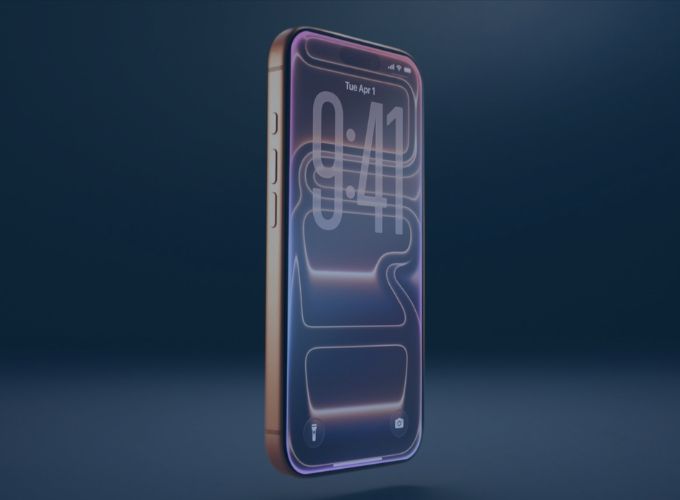


Apple’s latest product showcase failed to ignite excitement on Wall Street, wiping nearly $50 billion off the company’s value in a single trading session.
The Cupertino tech giant unveiled its new iPhone 17 lineup on 9 September, including the ultra-thin iPhone Air, the more powerful iPhone 17 Pro, and updated Apple Watch and AirPods models. But with many of the details already leaked in advance and no dramatic surprises during the launch, investors reacted with a familiar “sell the news” response.
Shares closed down 1.5% at $234.35, pushing Apple’s market capitalisation from $3.53 trillion to $3.48 trillion. Some analysts noted that Apple’s stock historically dips by around 2% following iPhone events, but the sheer scale of its valuation means even small percentage moves translate into tens of billions of dollars.
The iPhone Air, priced at $999, is Apple’s thinnest smartphone ever at just 5.6mm. It runs on the new A19 Pro chip, with MacBook-level performance and a novel “Fusion” camera that doubles as an ultrawide and telephoto lens. The iPhone 17 Pro and Pro Max add a triple-camera system and up to 2TB of storage, while the AirPods Pro 3 gained live translation and health-tracking features. The Apple Watch Series 11, meanwhile, introduced hypertension notifications and sleep-scoring technology.
While the product range was broad, critics said Apple lacked the headline-grabbing innovation of rivals like Samsung and Google, who have recently unveiled foldable devices. Investors also remain concerned about Apple’s slower progress in the artificial intelligence race, with reports suggesting it is in talks with Google to integrate Gemini AI into Siri only by 2026.
Despite the muted reaction, Apple remains one of the most valuable companies in the world, with $408 billion in annual revenue and $99 billion in profits last year. Analysts are divided on its outlook: HSBC has a cautious $220 price target, while Wedbush sees the stock climbing to $270 and Melius Research as high as $290.
You Might Also Like