

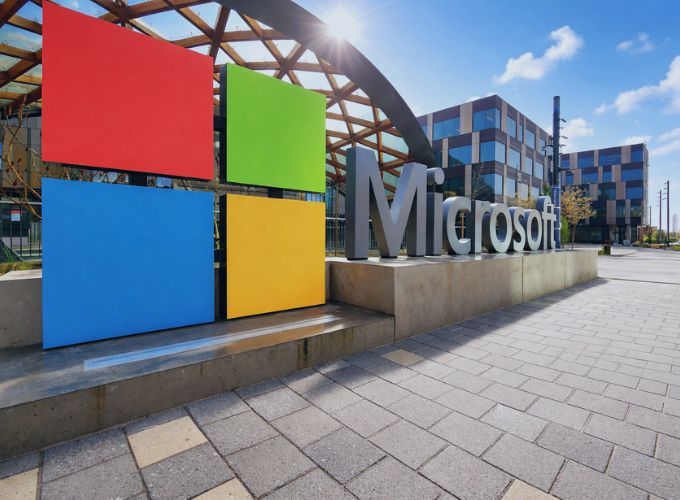
Microsoft shed more than $350 billion in market value this week, delivering a stark reminder that Wall Street’s tolerance for soaring AI investment has limits – and that growth, not ambition, now sets the terms.
The sell-off followed earnings that disappointed investors, despite Microsoft’s aggressive spending on artificial intelligence infrastructure. Shares fell around 10% after the company reported cloud growth that came in only slightly above expectations, triggering one of the largest single-day market value losses in corporate history.
The reaction stood in sharp contrast to the market’s response to Meta Platforms. While Microsoft was punished, Meta shares jumped roughly 10% after reporting strong advertising growth powered by AI-driven targeting, reinforcing a growing divide in how investors are assessing Big Tech’s AI strategies.
The message from markets is becoming clearer: heavy AI spending is acceptable, even welcome, but only when it delivers visible and accelerating returns.
Microsoft, which rode its early partnership with OpenAI to become the world’s most valuable company in 2024, now finds itself under intensifying scrutiny. Although its overall valuation remains larger than Meta’s, Microsoft shares have gained just 7% over the past two years, compared with Meta’s 87% rise.
Investors were particularly focused on Microsoft’s Azure cloud business, where growth failed to meaningfully exceed expectations. Concerns were compounded by a disclosure that OpenAI accounts for around 45% of Microsoft’s cloud backlog, raising fears about concentration risk as competition in the AI space intensifies.
Meanwhile, Meta’s results told a different story. The company reported a 24% increase in revenue in the December quarter, supported by AI-enhanced ad targeting, and issued an upbeat outlook for the current quarter. That performance has helped reassure investors that Meta’s rapidly rising capital expenditure – expected to surge sharply this year – is being funded by real revenue growth.
The divergence highlights a broader shift in market sentiment since the launch of ChatGPT ignited the AI boom more than three years ago. Initial enthusiasm has given way to harder questions about payback periods, competitive positioning and whether vast capital outlays will ultimately translate into sustainable profits.
That tension is also evident elsewhere in Big Tech. Tesla has signalled plans to double spending this year as it pivots further towards AI, robotics and autonomous driving, even as analysts question how quickly those investments will deliver returns.
You Might Also Like

Latest Article
Soho House Finalises £2bn Buyout As It Steps Away From Public Listing
Soho House has completed a £2bn ($2.7bn) take-private transaction, formally ending its four-year stint as a publicly listed company and delisting from the New York Stock Exchange. The deal sees Soho House merge with its parent entity and affiliated acquisition vehicles, returning the private members’ club to private ownership after first signalling its intention to … Continued
|
30 January 2026
Written by MeetInc.
$350bn Wiped Off Microsoft As AI Hype Meets Earnings Pressure
|
30 January 2026
Written by MeetInc.

Lidl Malta Donates €2,000 To Support Medical Research At University Of Malta
|
30 January 2026
Written by MeetInc.