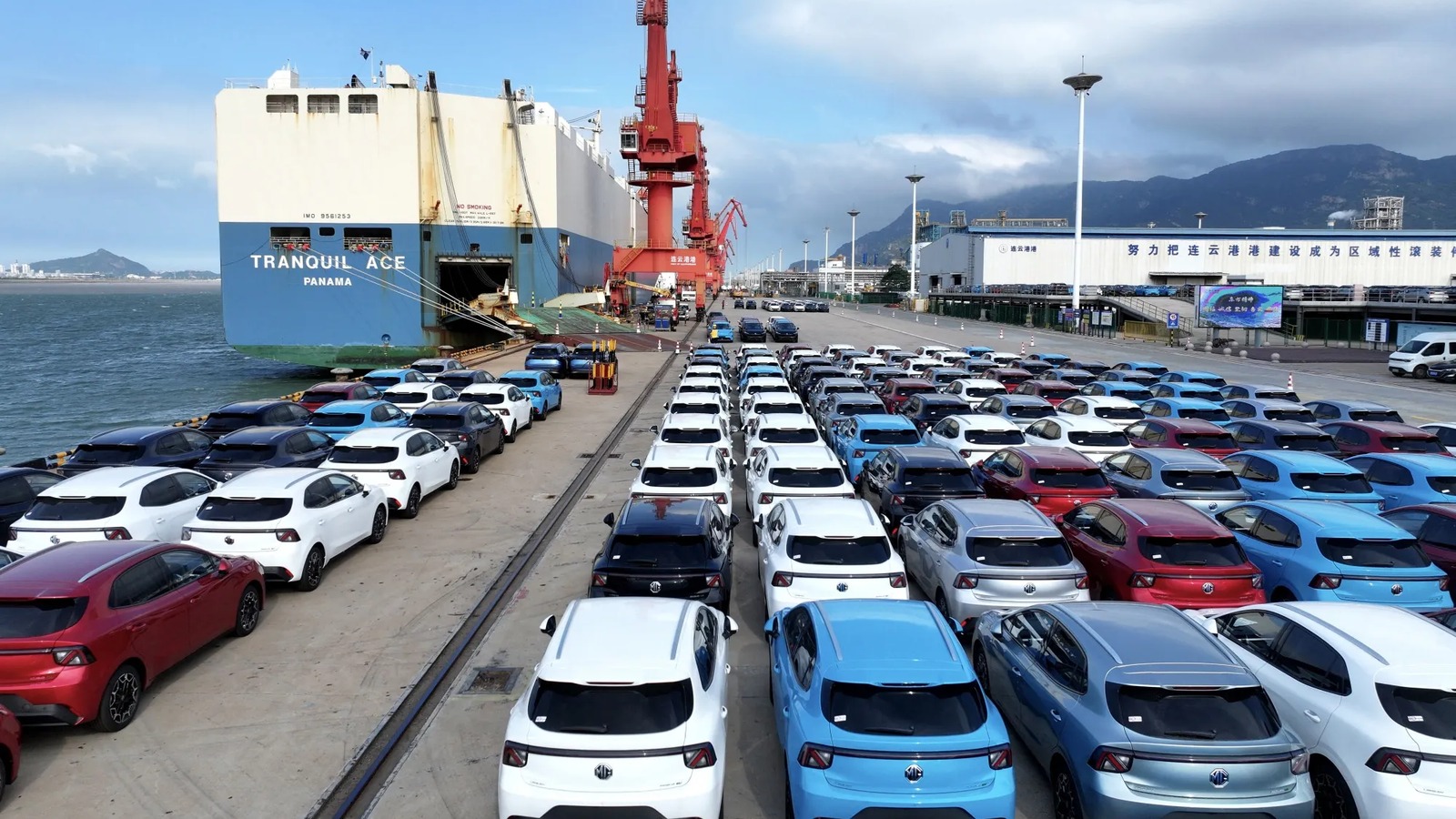


China and the European Union have agreed a deal to cut Chinese hybrid car exports to Europe by more than half, in what Brussels is describing as a landmark new model for managing trade imbalances without triggering a full-scale trade war.
EU Trade Commissioner Maroš Šefčovič announced the agreement at a press conference in Beijing, calling it the result of "intense" negotiations that began in June. The talks were driven by concern over a bilateral trade deficit running at roughly €1.18 billion per day and by growing anxiety among European manufacturers about the volume of low-cost Chinese vehicles entering the bloc.
Under the deal, reductions in plug-in and battery-powered hybrid car exports from China are expected to amount to "several millions" over the next four years, opening the prospect of cutting that export volume by more than half. Šefčovič described the arrangement as genuinely unprecedented: China accepting voluntary export moderation without the WTO investigations and formal safeguard procedures that typically precede such measures.
The agreement sits within a wider 16-point framework covering continued negotiations on car exports, Chinese restrictions on rare earth exports, and improved EU access to the Chinese food and drink market. Beijing also indicated a willingness to keep approving export licences for rare earths and permanent magnets destined for Europe. One mechanism under discussion to curb hybrid car volumes is the setting of minimum price thresholds for Chinese vehicles sold in the EU, with both sides expected to adhere to company price undertaking procedures.
Šefčovič was candid about the political pressures that brought both parties to the table. European member states were facing "literally thousands of job losses" across sectors including chemicals, textiles and automotive manufacturing, he said, and EU leaders were "clearly expecting very fast action" from the Commission. The Chinese side, he added, recognised that pressure and responded accordingly.
He was equally measured about what the deal represents in practice. "This is far from the end. It's a crucial first step, but only a first step," he told reporters in Beijing. He is due to brief EU diplomats in Brussels on Sunday, ahead of a leaders' summit scheduled for Thursday.
The broader significance lies as much in the structure as the substance. If the hybrid car pilot proves workable, both sides appear open to extending the negotiated approach to other sectors facing competitive pressure from Chinese imports. Whether that ambition holds through the next trade flashpoint is another matter entirely.