
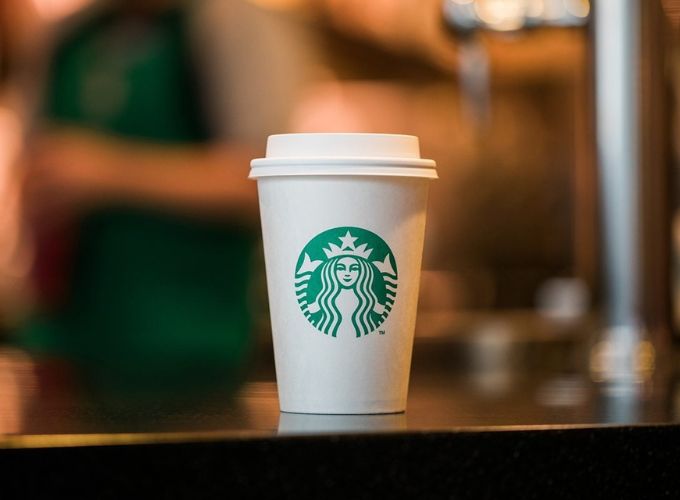


Starbucks is facing a proposed class-action lawsuit, filed in Seattle on 2 October, accusing the coffee chain of selling protein drinks branded as "Sugar-Free" that allegedly contain between 13 and 21 grams of sugar per venti-size serving.
The suit, brought by consumers and represented by law firm Hagens Berman, centres on the role of milk in the eight drinks named. Each beverage contains milk, and with it lactose, a naturally occurring sugar. The plaintiffs argue that lactose content alone pushes the drinks well beyond the legal threshold for a sugar-free designation, even where the added syrups contain no refined sugar.
As reported by Star943, the eight products span both hot and iced versions of the Sugar-Free Vanilla Protein Latte, the Sugar-Free Caramel Protein Latte, the Sugar-Free Vanilla Protein Matcha, and the Sugar-Free Caramel Protein Matcha. Under US federal regulations, a product must contain fewer than 0.5 grams of sugar per serving to qualify for the label. The filing puts the gap in stark terms: a venti Sugar-Free Caramel Protein Matcha contains roughly 21 grams of sugar, the equivalent of around five teaspoons and broadly comparable to the total sugar in a standard Kit Kat bar.
Starbucks has rejected the claims outright. A company spokesperson, in a statement to ABC News, described the allegations as without merit, pointing to nutritional information it says has been consistently and clearly provided across its menus, website, app, and marketing materials. The company confirmed it intends to defend itself vigorously.
The eight drinks sit under a menu tab headed "No Added Sugar Options," and each individual product page does list sugar content alongside calorie, fat, and protein data, visible once a user scrolls down. The lawsuit also alleges that Starbucks failed to include a required calorie disclaimer alongside the sugar-free labelling, a separate procedural point the plaintiffs raise in support of their broader case.
The suit characterises the product names as false and misleading. No hearing date has been publicly announced.