




Maltese consumers and busineses are set to face an estimated €16.5 million in additional costs in 2026 as the European Union’s Emissions Trading System (ETS) and associated fuel surcharges move to full application on maritime transport.
The Malta Association of Tractor and Trailer Operators (ATTO) raised serious concerns over the impending change, which will see ETS charges increase from 70 per cent to 100 per cent of emissions from 1 January 2026. The association warned that the measure will place a disproportionate financial burden on Malta’s transport and logistics sector, with knock-on effects for prices across the economy.
According to ATTO, a single round-trip trailer journey on the Genoa–Malta–Genoa route will incur an additional €734.40 in ETS and fuel surcharges once the system is fully applied. Based on projected 2025 figures, with around 54,500 trailers operating on core Ro-Ro routes linking Malta with Genoa, Livorno, Salerno and Catania, the total annual cost is expected to reach approximately €16.5 million.
ATTO argued that applying a uniform ETS rate across the EU fails to account for the structural realities of island economies. Unlike mainland countries, Malta has no overland transport alternatives and relies entirely on maritime connections for the movement of goods.
“These costs are not only exorbitant, they punish Malta simply for being an island,” said ATTO chairman Joseph Bugeja. He warned that the additional charges would inevitably be passed on to consumers and businesses, increasing prices and eroding competitiveness.
“Malta does not have the option of overland transport. Our supply chains are entirely dependent on maritime connections. Every surcharge imposed on trailer movements is, in reality, a surcharge on the Maltese consumer, economy and competitiveness,” Bugeja said.
While stressing that Malta supports the EU’s environmental objectives, ATTO said policy implementation must reflect economic realities. The association cautioned that applying ETS charges without island-specific mitigation measures risks fuelling inflation, weakening local industry and placing Maltese businesses at a structural disadvantage within the Single Market.
ATTO has been calling for urgent discussions at both national and EU levels for the past two years, urging policymakers to formally recognise Malta’s island status when applying emissions-related charges. The association warned that without corrective measures, the impact will be felt across households and businesses alike.
“This is no longer a theoretical discussion,” Bugeja said. “From next year, this becomes a real and measurable cost borne by families and businesses across Malta.”
You Might Also Like
Latest Article
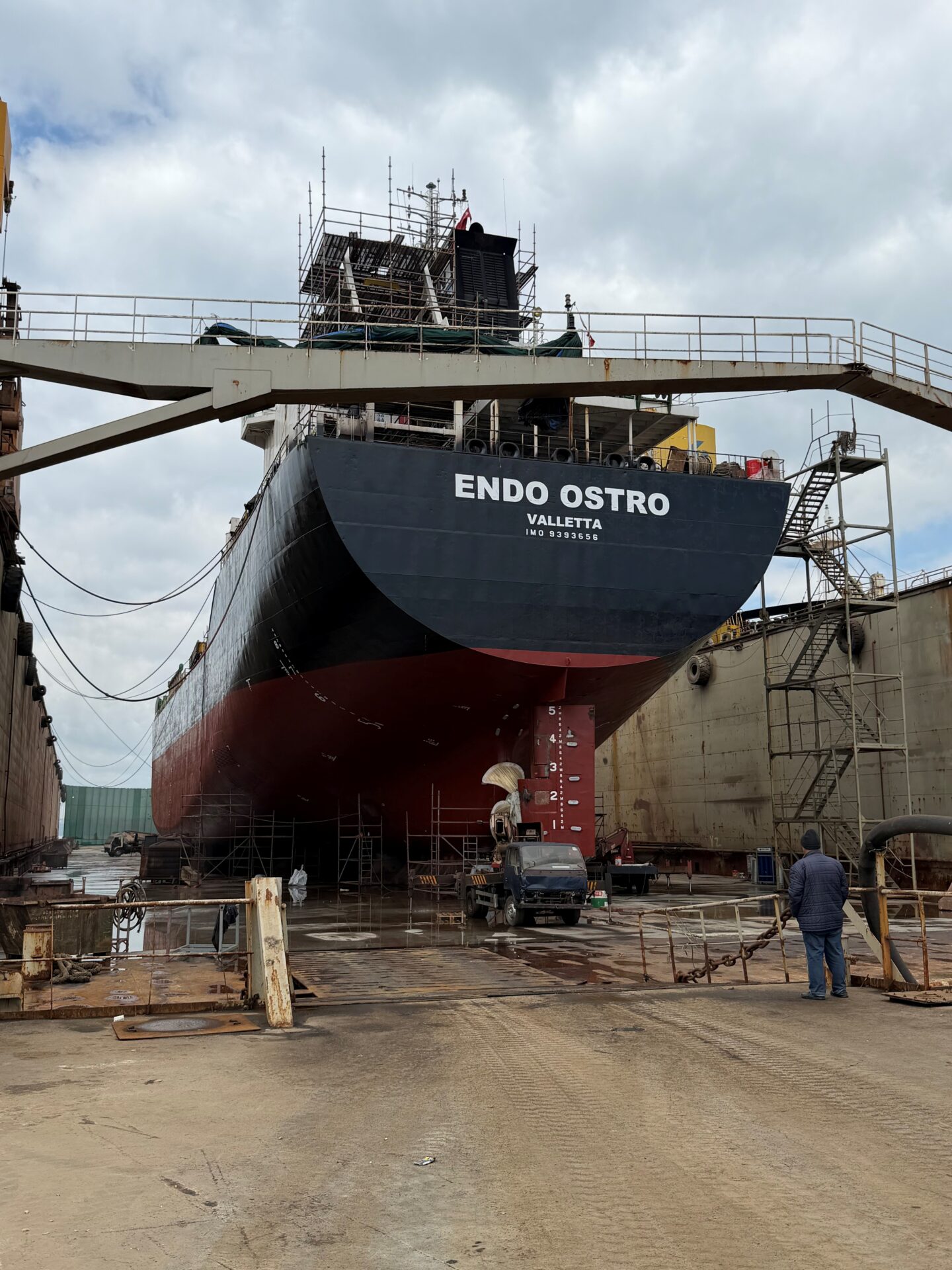
Endo Finance p.l.c. Launches €23 Million 5.75% Partially Secured Bond Issue
Malta-based Endo Finance p.l.c. (C 89481) has announced the launch of an issue of up to €23 million in 5.75% Bonds maturing in 2036, supporting the consolidation of the Endo Group’s financing structure and the continued development of its commercial vessel operations. The Bond Issue will be guaranteed by Endo Ventures Ltd and partially secured … Continued
|
24 July 2026
Written by Kim Vucinovic Cutajar

REVOLUT NAMED WORLD’S BEST DIGITAL BANK FOR 2026 AS REVENUE HITS £4.5 BILLION
|
24 July 2026
Written by Yannick Pace

GIANLUCA BORG NAMED CEO OF PG GROUP AFTER MORE THAN A DECADE IN SENIOR LEADERSHIP
|
23 July 2026
Written by Yannick Pace