

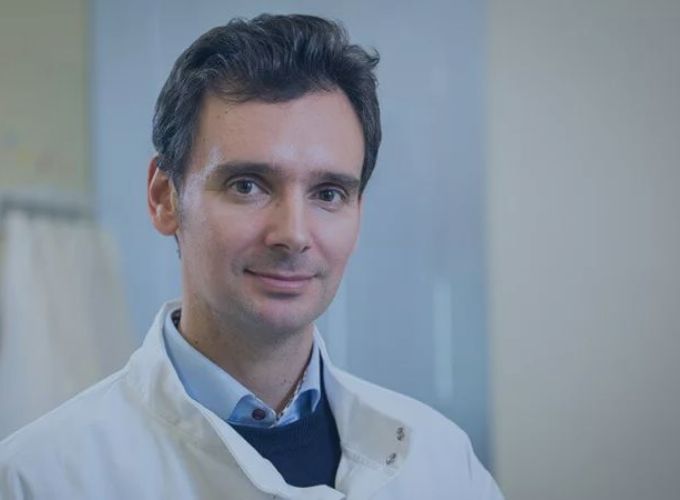


A Maltese oncologist has led a breakthrough in the UK that could change the way prostate cancer is treated, sparing many patients from going through gruelling chemotherapy when it is unlikely to help them.
Professor Gert Attard, who heads the Cancer Institute at University College London, was senior author of a major study published in the medical journal Cell. The research shows that a simple test performed on tumour samples can identify which men with advanced prostate cancer are likely to live longer if they receive chemotherapy — and which are not.
Until now, doctors had no reliable way of predicting whether the chemotherapy drug docetaxel would work. For decades, all patients whose cancer had spread were offered the same treatment, even though for some it would make little difference while still causing severe side effects.
The new test, called the Decipher Prostate Genomic Classifier, analyses patterns of gene activity in tumour tissue. Researchers followed more than 1,500 men for 14 years. They found that those with a “high” score had a 36% lower risk of death when treated with docetaxel. In contrast, those with “low” scores saw virtually no survival benefit.
Speaking to The Times of Malta, Prof. Attard said this discovery represents a major shift away from the “one-size-fits-all” approach that has dominated prostate cancer care for 60 years. Instead, treatment can now be personalised, with chemotherapy reserved for those who will genuinely benefit.
The study is particularly relevant to Malta, where around 100 men with prostate cancer each year are considered for chemotherapy. The findings mean that many of these patients could be spared months of harsh treatment — including nausea, fatigue, infections and hair loss — if tests show it would not improve their survival.
Researchers also noted that other treatment options are available for men who don’t benefit from chemotherapy. One in four respond to an alternative hormone therapy pioneered by Attard’s team, which has kept patients in remission for over a decade. For those who don’t respond to either approach, new classes of drugs such as PARP inhibitors are showing early promise.
The bigger picture is that cancer treatment is moving towards “precision medicine” — tailoring therapies to a patient’s individual biology rather than applying the same methods across the board. For prostate cancer patients, this could mean longer lives, fewer side effects, and better use of limited healthcare resources.
Prof. Attard, who has spent two decades researching prostate cancer in London, said the progress made since he began treating patients 20 years ago is remarkable. Back then, many men with advanced disease survived only a few years. Now, with the right treatment combinations, the majority are living for a decade or longer.