
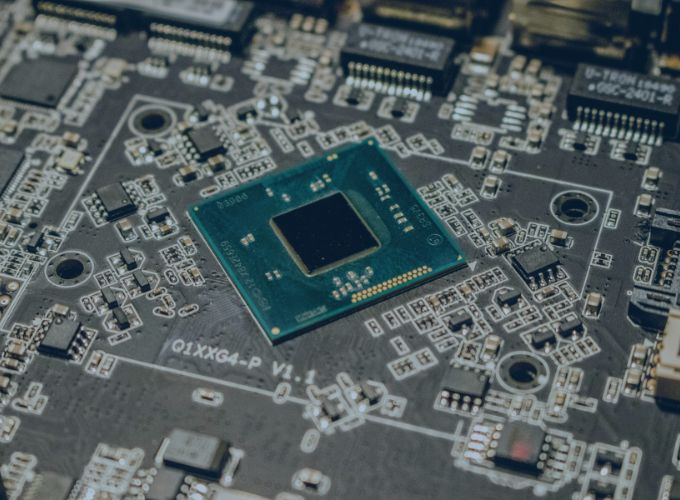


Nvidia and AMD have agreed to an unprecedented arrangement with the Trump administration, pledging to give the US government 15% of their revenues from certain semiconductor sales to China in exchange for export licences.
According to people familiar with the matter, including a US official, Nvidia will pay 15% of revenues from its H20 chips sold in China, while AMD will do the same for its MI308 chips. The unusual quid pro quo emerged as the US Commerce Department began issuing the export licences last week. Officials have not yet determined how the revenue will be used.
The Financial Times previously reported that Nvidia chief executive Jensen Huang met President Donald Trump on Wednesday, raising concerns that the Bureau of Industry and Security (BIS) had not yet approved the licences. Licences for both companies’ chips were issued two days later.
Export control experts said no US company has ever agreed to surrender part of its sales revenue as a condition for export approval. The deal aligns with Trump’s pattern of encouraging companies to make concessions—often tied to US investments or revenues—to avoid tariffs or other restrictions.
Bernstein analysts estimate that before restrictions took effect, Nvidia would have sold around 1.5 million H20 chips in China this year, generating roughly $23 billion in revenue. The H20 was designed for the Chinese market after the Biden administration imposed strict curbs on more advanced AI chips. In April, the Trump administration announced plans to ban H20 exports to China, but reversed course in June after Huang’s White House meeting.
The decision has faced criticism from US security experts, who argue the chips could bolster China’s military capabilities and erode US leadership in artificial intelligence. In a letter to Commerce Secretary Howard Lutnick, former deputy national security adviser Matt Pottinger and 19 others urged the government not to grant H20 licences, calling the chip a “potent accelerator” of China’s AI development. Nvidia rejected those claims, saying the concerns were “misguided” and that the H20 is not suited for military purposes.
The arrangement comes as Washington and Beijing hold trade talks that Trump hopes will lead to a summit with Chinese President Xi Jinping. The Commerce Department has reportedly been instructed to freeze new export controls to avoid jeopardising negotiations, while China presses for looser restrictions on high-bandwidth memory chips used in advanced AI manufacturing.
You Might Also Like
Latest Article
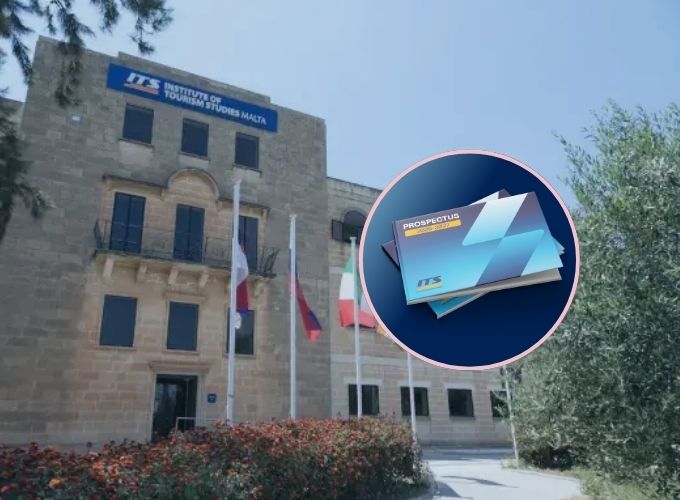
ITS Launches 2026–2027 Prospectus As Tourism Skills Demand Grows
Institute of Tourism Studies (ITS) has launched its academic prospectus for the 2026–2027 academic year, outlining an expanded range of programmes aimed at meeting the evolving needs of Malta’s tourism and hospitality sector. The prospectus covers a wide spectrum of qualifications, ranging from foundation-level courses to postgraduate degrees, reflecting the institute’s role in developing talent … Continued
|
15 April 2026
Written by MeetInc.

Victoria 2031 Invites Cultural Proposals As Final EU Selection Nears
|
14 April 2026
Written by MeetInc.
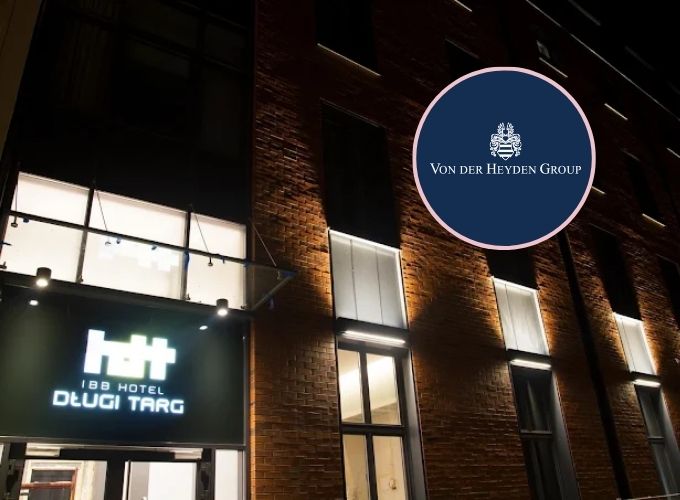
VDH Group Offloads Polish Hotel In €15.7m Portfolio Move
|
13 April 2026
Written by MeetInc.