


MeetInc.
The Trump administration is urging Europe to scrap a proposed AI rulebook that would introduce tougher standards on transparency, copyright, and risk management for advanced artificial intelligence models.
The US Mission to the EU has sent a letter to the European Commission and several national governments, warning against the adoption of the voluntary code of practice that complements the bloc’s Artificial Intelligence Act.
The letter describes the proposed guidelines as excessive and potentially harmful to innovation. While the code itself is non-binding, it is designed to help companies comply with the AI Act—a sweeping piece of legislation that could see firms fined up to 7% of their global turnover for non-compliance.
The final draft of the code is expected to be unveiled next month, following a consultation process involving tech firms, copyright holders, and civil society groups. It will then be submitted to EU member states and institutions for endorsement.
Critics, however, claim the code goes beyond the legal obligations of the AI Act. Industry groups have raised concerns that it introduces de facto rules that could restrict innovation or force companies to disclose proprietary information.
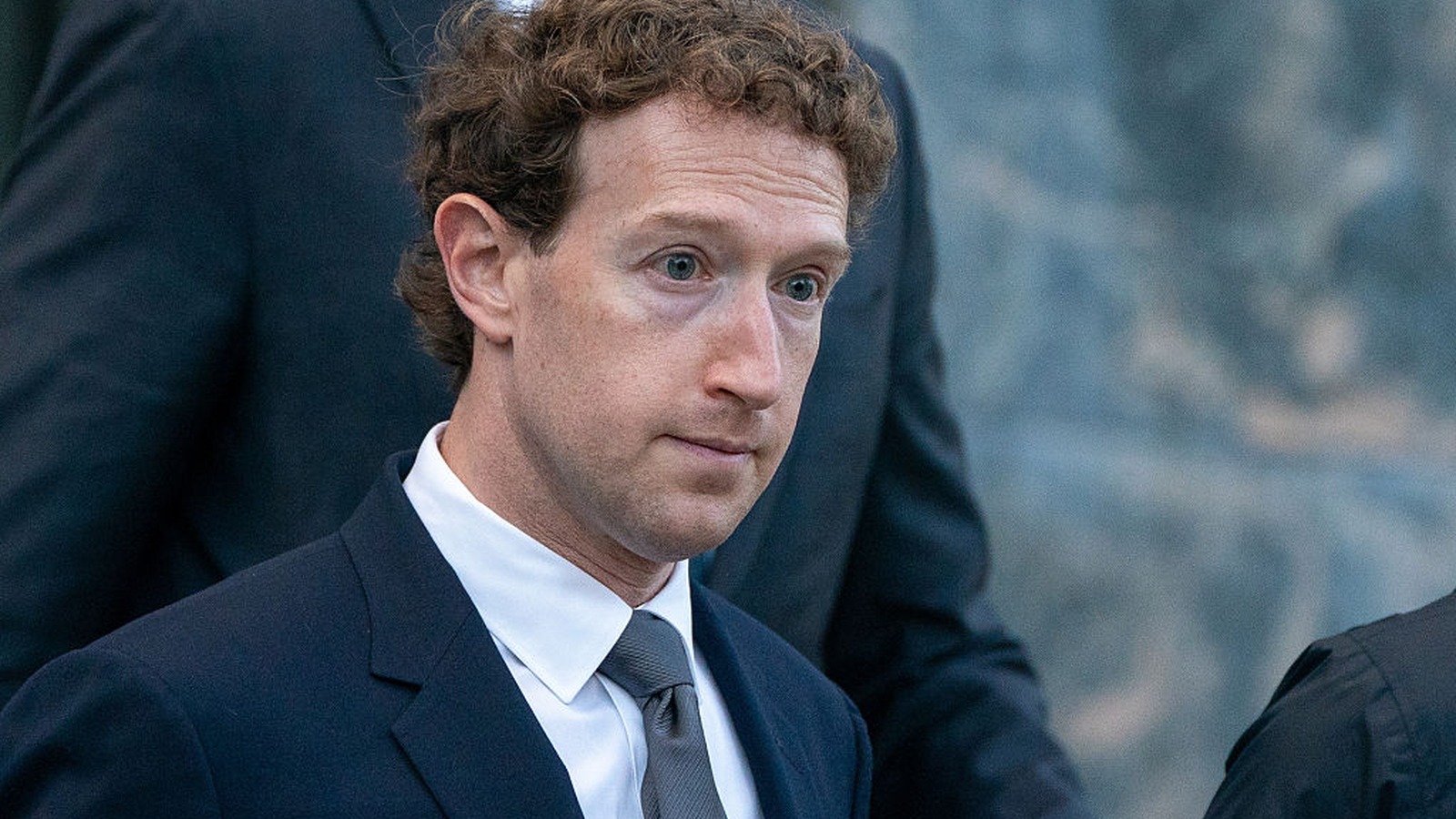
Meta’s head of global affairs, Joel Kaplan, called the current draft “unworkable and infeasible” in a February speech, saying the company would not sign it in its present form. Alphabet has also voiced objections, telling Politico that requirements for copyright documentation and third-party testing are excessive.
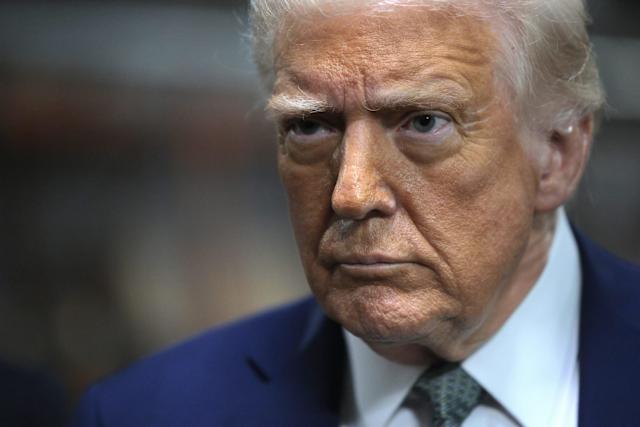
The intervention from Washington adds fuel to growing transatlantic tensions over tech regulation. President Donald Trump has repeatedly accused the EU of unfairly targeting American companies through heavy-handed enforcement and what he calls “a form of taxation.” At this year’s World Economic Forum in Davos, Trump criticised the bloc’s digital rules as a barrier to innovation and economic growth.
More recently, White House National Security Council spokesman Brian Hughes described this week’s €700 million antitrust fines against Apple and Meta as “economic extortion.” Meanwhile, House Judiciary Chair Jim Jordan has sent letters to EU leaders raising concerns that the bloc’s digital policies infringe on American free speech.
The AI code of practice, while not legally binding, carries significant symbolic weight. It reflects the EU’s ambition to set global standards in emerging technologies, including artificial intelligence and online content moderation. As a result, it has drawn both attention and resistance from international stakeholders.
EU officials are expected to proceed with the finalisation of the code, which is being drafted under the guidance of the European Commission. A decision on its adoption is expected in the coming weeks.