

Yannick Pace
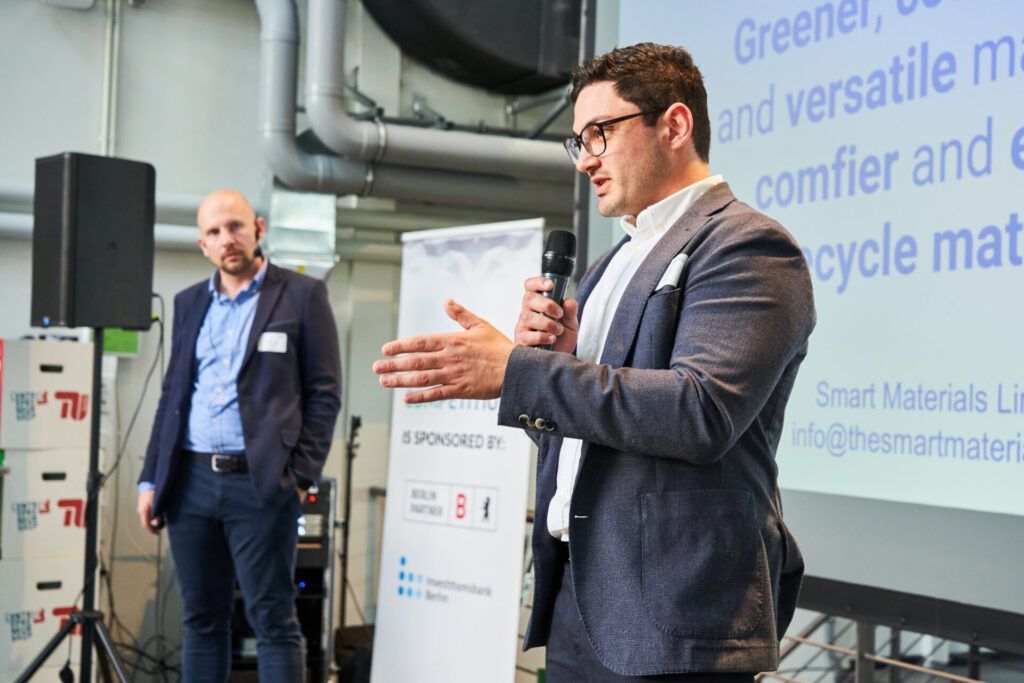
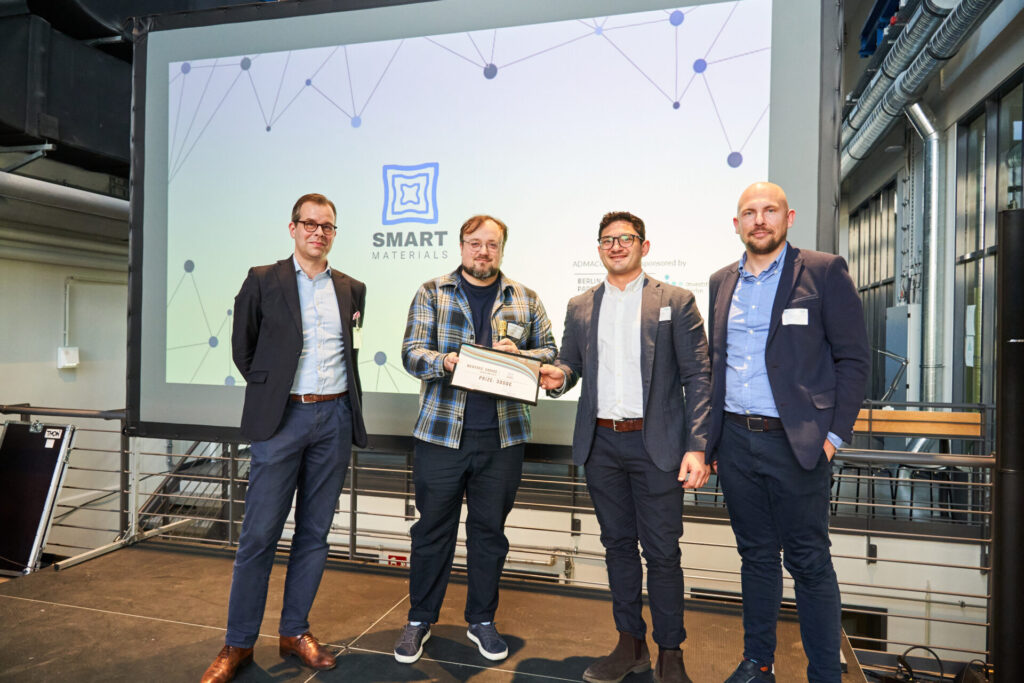
A Maltese startup is making waves in the world of advanced materials. Smart Materials, a finalist at AdMaCom Scale—one of the world’s most prestigious competitions for deep-tech startups—is showcasing its revolutionary auxetic foam in Berlin. Their innovation is a game-changer for industries ranging from medical devices to aerospace, but they are starting with an industry close to home: mattresses.
At the heart of their breakthrough is a special type of foam known as auxetic foam. Unlike conventional foams, which become thinner when stretched, auxetic foams expand perpendicularly under tension. This makes them highly impact-resistant, better at distributing pressure, and more durable than traditional materials. These properties make them ideal for applications where resilience and adaptability are critical, such as sports padding, medical cushions, and even protective gear.
The Innovation: Cracking the Auxetic Code
Despite their impressive properties, auxetic foams have been notoriously difficult to produce at scale. Traditionally, they have been made using a complex, multi-step post-processing technique that involves mechanically compressing and heating standard polyurethane foam. This method is inefficient, expensive, and unsuitable for mass production.
Smart Materials has developed a patented process that bypasses these hurdles by directly engineering auxetic properties into the foam during manufacturing. Instead of modifying an existing material, their approach tailors the chemistry of the foam itself, ensuring auxetic behavior is built-in from the start. This method dramatically reduces production costs and opens the door to large-scale commercial applications for the first time.
Reinventing Mattresses
While the potential applications for auxetic foam range from aerospace to medical devices, Smart Materials has chosen to enter the market through the mattress industry. The global mattress sector, valued at over $40 billion, faces significant sustainability and performance challenges. Traditional polyurethane foams retain heat, degrade quickly, and are difficult to recycle due to their multi-layer construction. Millions of discarded mattresses end up in landfills each year.
Smart Materials’ proprietary auxetic foam, branded as Zetic, solves these problems. Zetic eliminates the need for multi-layer construction, making mattresses easier to recycle while also providing superior comfort, pressure distribution, and breathability. Their first product, a mattress brand called Huggah, is set to launch in Malta this year, serving as a test bed before global expansion.
The Road Ahead
Smart Materials has already secured patents in the Netherlands, Canada, China, and Japan, with applications pending in the U.S. and EU. They have secured patents in the Netherlands, Canada, China, and Japan, with applications pending in the U.S. and EU. They’ve raised 70% of a €2.2M funding round and are now closing in on their final €300K.
The company has received industry recognition, including awards from the Malta Intellectual Property Awards and the Hello Tomorrow Deep Tech Pioneer program. With its patented technology and industry recognition, Smart Materials is positioning itself as a key player in the field of advanced materials.
As auxetic foams gain traction, Smart Materials is aiming to be at the forefront of this emerging market.