

By MeetInc
Unlikely Empires, episode 2. It sells more than a million watches a year and makes more money than the Apple Watch. Yet Rolex has no shareholders, publishes no accounts and answers to nobody but a charitable foundation in Geneva.
The Numbers At A Glance
CHF 11bn+ estimated Rolex wholesale sales in 2025, according to Morgan Stanley and LuxeConsult
About 33% of the entire Swiss watch industry’s sales
About 1.15 million watches made in 2025
0 shareholders, earnings calls or published accounts
1945, the year the foundation that owns it was set up
A Company Nobody Can Buy
Every quarter, the bosses of LVMH, Richemont and Kering stand in front of investors and explain their numbers. Rolex, the biggest name in luxury watches, never does.
It doesn’t have to. Rolex is wholly owned by the Hans Wilsdorf Foundation, a private charitable foundation registered in Geneva. Swiss private foundations don’t have to publish audited accounts and this one doesn’t. Every revenue figure you’ve ever read about Rolex, including the ones in this article, is an outside estimate.
Those estimates are staggering. Morgan Stanley and the Swiss consultancy LuxeConsult reckon Rolex’s wholesale sales topped CHF 11 billion in 2025, up 4% even as it made fewer watches. At retail prices, the figure is closer to CHF 16 billion. That’s around a third of all Swiss watch sales, from a single brand.
How A Grieving Widower Built It
The story begins in London, not Geneva.
1905: Hans Wilsdorf, a Bavarian-born orphan, sets up Wilsdorf & Davis in London to import Swiss movements and put them in cases.
1908: he registers the name “Rolex”, chosen because it was short, easy to say in any language and fitted neatly on a watch face.
1919: after the First World War, the company moves to Geneva.
1926: the Oyster, one of the first truly waterproof wristwatches. A year later, swimmer Mercedes Gleitze wears one across the English Channel, and Wilsdorf turns it into an advertising coup.
1931: the Perpetual rotor, the self-winding mechanism that still powers modern automatics.
1944: Wilsdorf’s wife, Florence, dies. The couple had no children.
1945: within a year, he sets up the Hans Wilsdorf Foundation in Geneva to secure the company’s future.
1960: Wilsdorf dies, and his shares pass to the foundation.
That last decision, made by a man with nobody to leave his company to, is the reason Rolex looks the way it does today.
The Business Model: Patience As A Weapon
Ownership by a foundation sounds like a technicality. In practice, it’s Rolex’s sharpest competitive advantage.
No quarterly pressure. Listed luxury groups are judged every three months. Rolex can plan in decades. It can make fewer watches when demand is high, keep prices stable and never chase a short-term sales target.
Scarcity by design. In 2025 Rolex reportedly made fewer watches than the year before, yet earned more. Waiting lists for popular steel sports models stretch for years. That keeps demand and the brand’s prestige, at the top.
Freedom to make big bets quietly. In 2023 Rolex bought Bucherer, the world’s largest luxury watch retailer, a business with turnover of around CHF 2 billion. There was no shareholder vote and no analyst call. It also runs its own certified pre-owned programme, taking a slice of the second-hand market it used to ignore.
A second brand on the same terms. Tudor, the lower-priced sister brand Wilsdorf founded as an affordable alternative, is owned by the same foundation.
Profits that stay in Geneva. With no shareholders to pay, surplus money is reinvested in the business or funds the foundation’s philanthropy. That includes support for education, culture and social causes in Geneva.
The Catch
Nobody can check the numbers. Every figure is reverse-engineered from export data and dealer surveys. Rolex declines to comment on the estimates and its sister brand Tudor has publicly questioned the accuracy of the annual Morgan Stanley report.
Scarcity frustrates customers. Waiting lists and “buy other watches first” dealer tactics have fuelled a booming grey market and plenty of resentment.
Dominance invites scrutiny. Industry observers have started asking whether one brand taking a third of Swiss watch sales is healthy for the wider sector. The Bucherer deal also gives Rolex more control over how its watches are sold.
The Lesson For Malta
Rolex already has a Maltese connection: it has been the title partner of the Royal Malta Yacht Club’s Rolex Middle Sea Race since 2002, putting its crown on Malta’s best-known international sporting event.
The deeper lesson is about ownership. Malta’s economy is full of family businesses facing the same question Wilsdorf did: what happens to the company when the founder is gone? Rolex shows that the right ownership structure can protect a brand’s values for generations, keeping the business focused on quality rather than the next quarter. For founders planning succession, the answer isn’t always to sell.
The Bottom Line
Rolex is the rare luxury empire whose biggest strategic decision was made out of grief. A man with no heirs chose a foundation over a buyer and in doing so freed his company from the pressures that shape almost every other global brand.
Eighty years on, the most famous watch in the world still answers to no one and that may be exactly why it keeps winning.
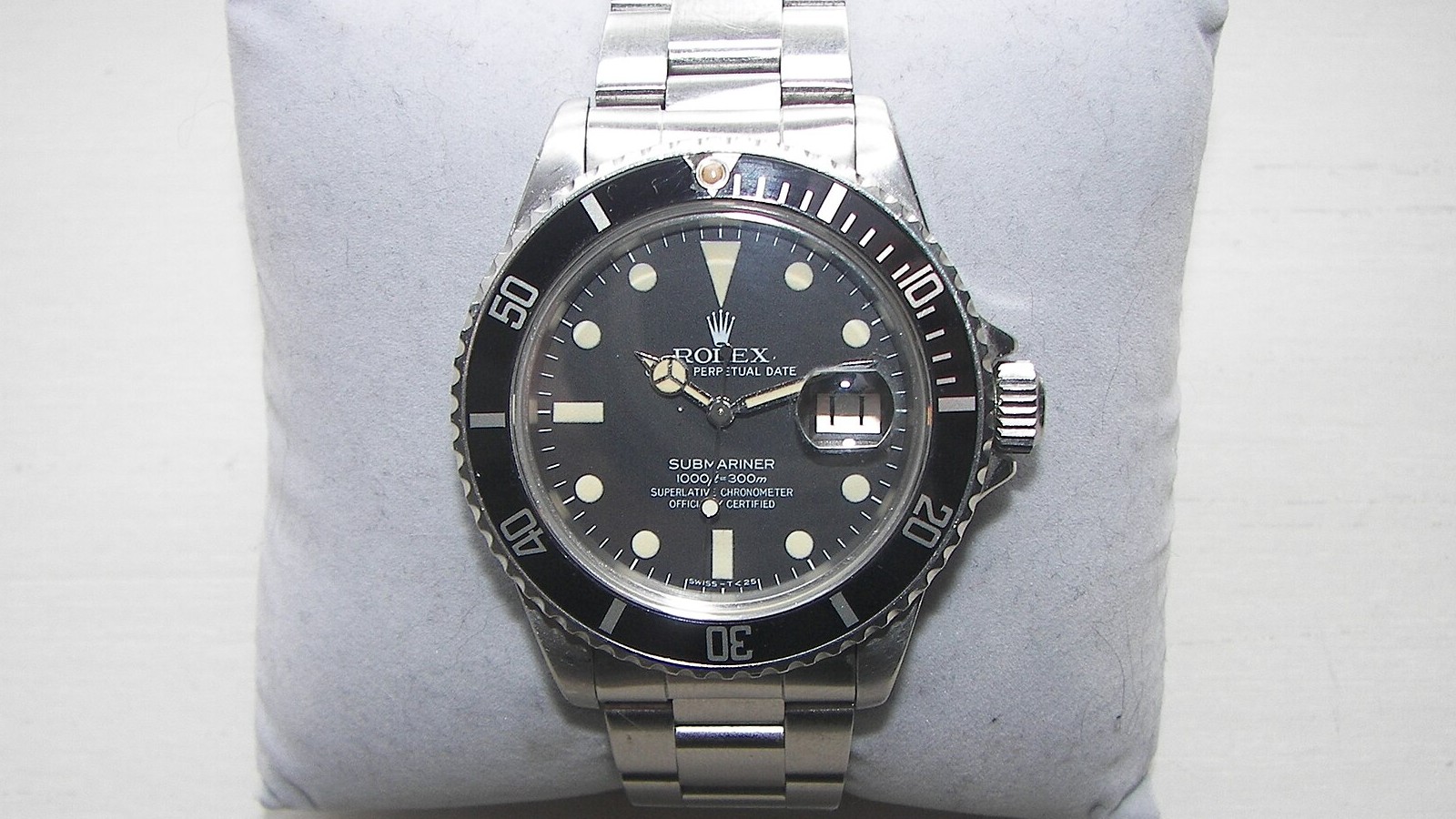
Cover photo: Rolex Submariner by Dr.K., Wikimedia Commons, CC BY-SA 3.0 (cropped)