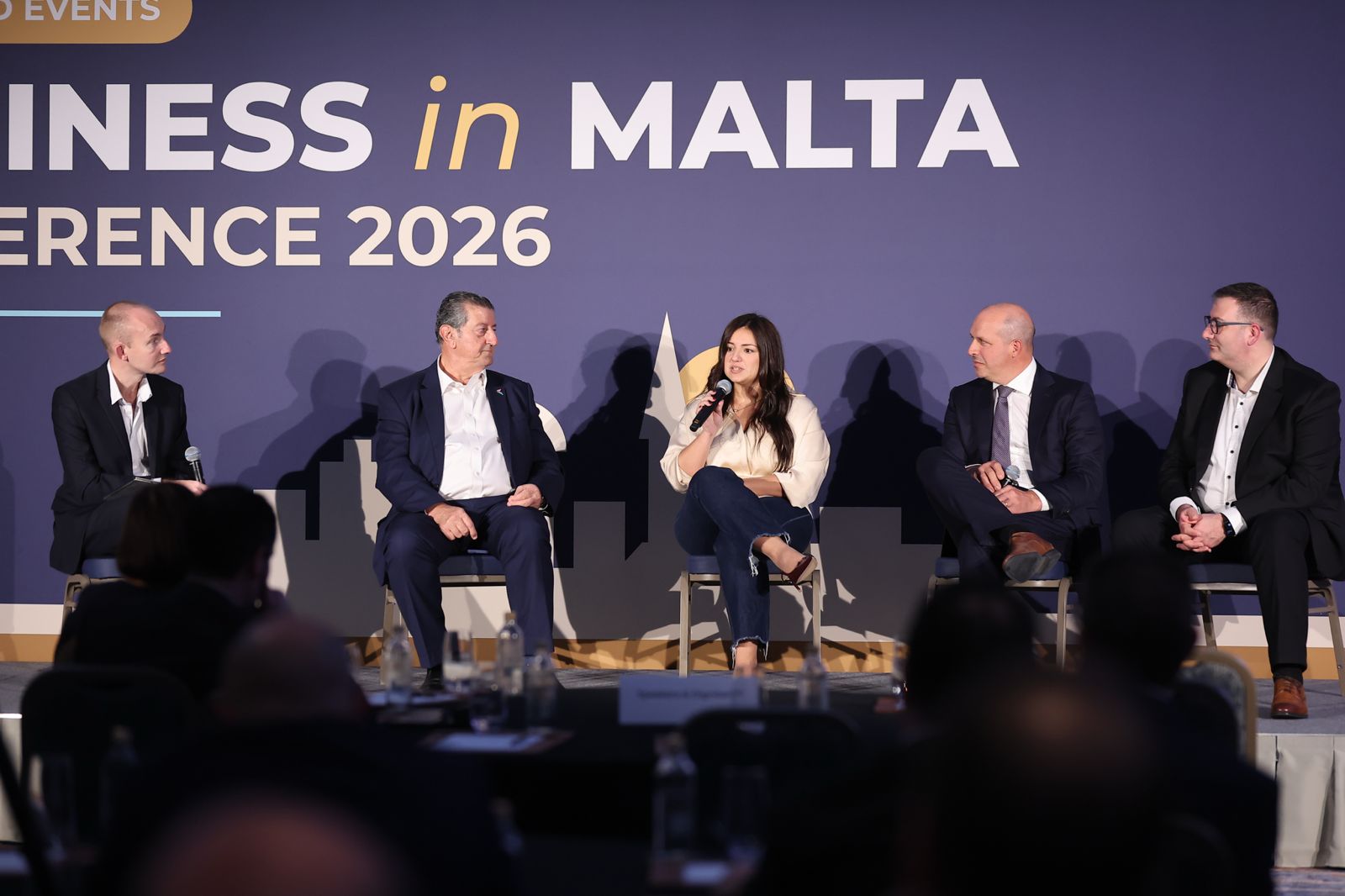


What does a business want to achieve, and which scheme can help it get there? First come the strategy and then come the schemes. That was the starting point Rachel Camilleri, Senior Manager for Entrepreneurship and Funding at the Malta Digital Innovation Authority (MDIA), recommended to business owners during the second panel of the Business in Malta Conference 2026.
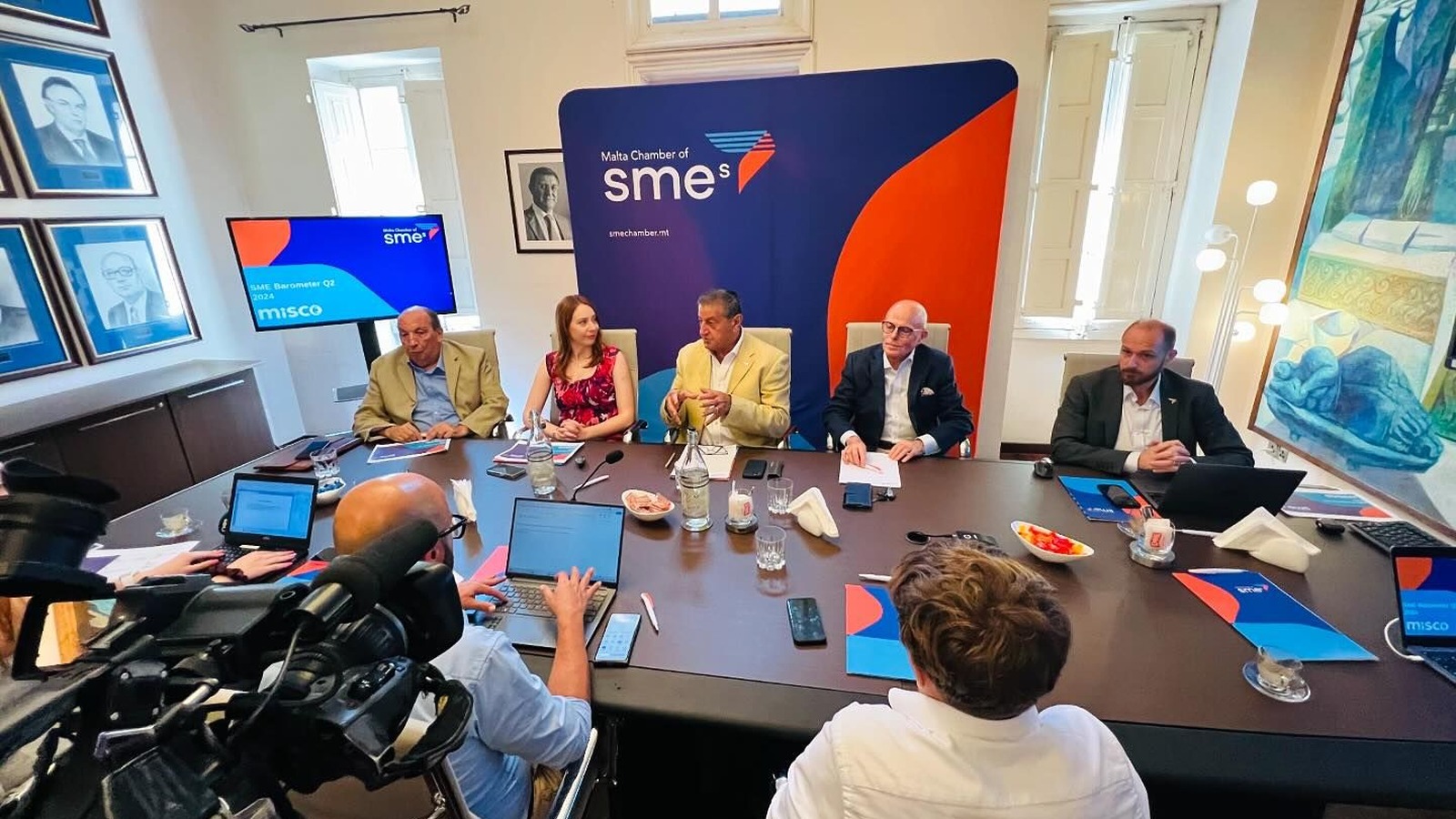
The discussion, moderated by James Cummings, Business Editor at Times of Malta, examined whether support schemes are reaching the businesses that need them. For Paul Abela, President of the Malta Chamber of SMEs, part of the challenge is helping owners identify which schemes apply to them as their needs and the support available to evolve.
Abela pointed to MicroInvest and support for businesses investing in digitalisation. He encouraged entrepreneurs to contact Business First for guidance on Malta Enterprise schemes or speak to the Chamber’s team about their investment plans. A small firm and a larger company may be looking to make quite different investments, he said and advice should reflect those differences. He also observed that while many people once entered business through their families, entrepreneurship in Malta is now open to a wider range of people.
Camilleri used the ‘Digitalise Your SME’ scheme to explain what businesses should consider before applying. An owner proposing a digital investment should be able to explain how it will improve productivity or add value to the business. She also highlighted MDIA’s 10% top-up for priority digitalisation investments. Timing matters, she added. Businesses need to allow time to prepare a proposal and obtain approval, then carry out the project within the implementation period.
Mark Scicluna Bartoli, Head of Product Development at Bank of Valletta, placed grants in the context of the wider financing decision. The cost and type of investment, together with the company’s business model, should guide how it is funded. A grant may cover part of what a business needs, while equity funding may also have a role.
Asked about delays businesses had experienced when opening bank accounts, Scicluna Bartoli said onboarding times at BOV had fallen significantly over the past year. He explained that the bank had implemented extensive anti-money laundering requirements and had since streamlined internal processes. He also highlighted its investment in digitalisation and cybersecurity.
Geoffrey Buhagiar, Senior Analyst in the Malta Business Registry’s Intelligence Management Unit, outlined how the Malta Business Wallet could reduce paperwork for companies. What began as a digital document repository is intended to give businesses a single app where they can keep records requested by banks and public authorities. When an authority needs a document, the business can authorise access directly through the app. For an entrepreneur setting up a company or managing an existing one, the practical benefit would be having the paperwork ready the next time it is requested.