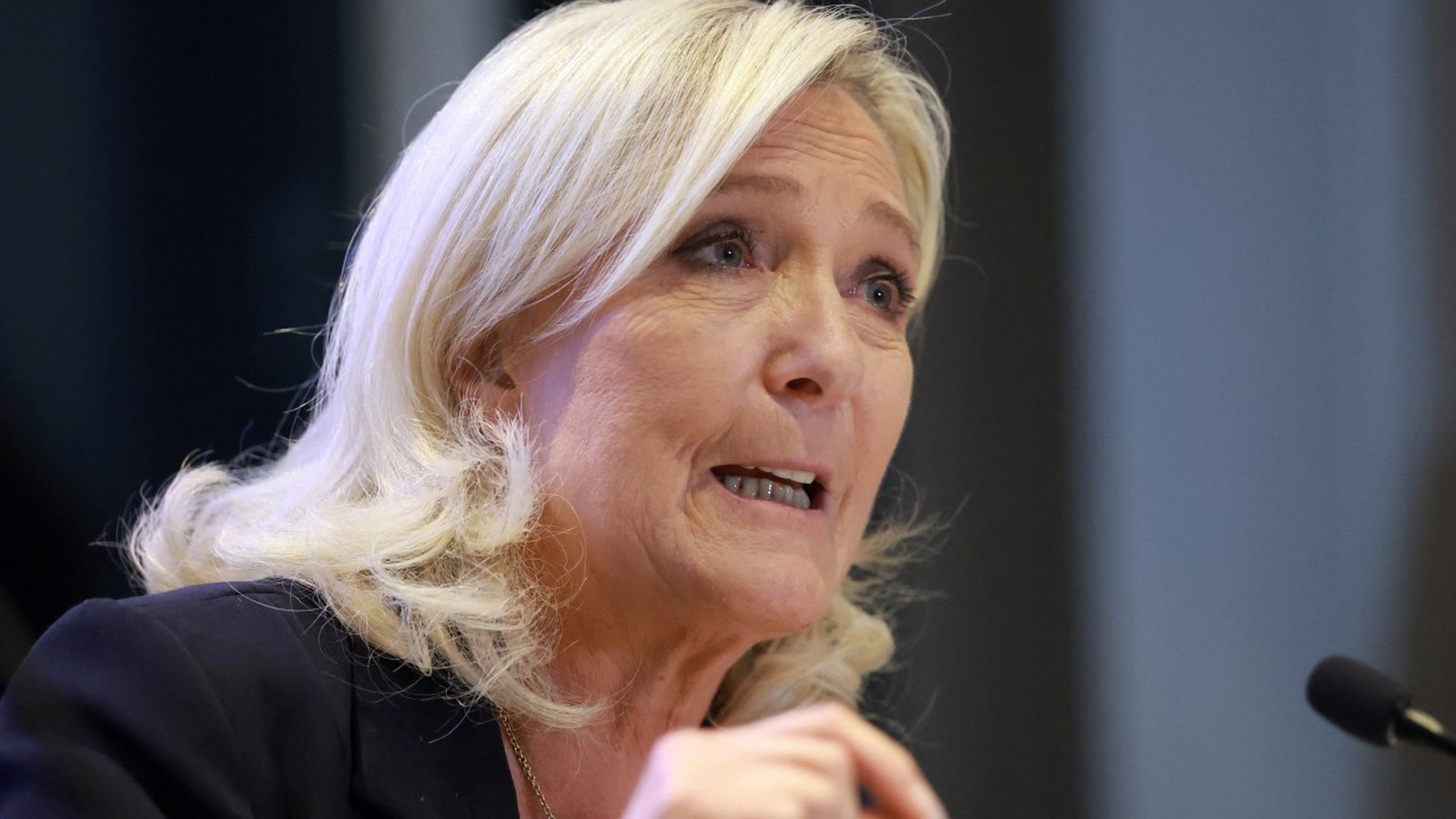


If she wins the presidency in 2027, Marine Le Pen wants French workers who began earning young to stop at 60 and she wants to undo Emmanuel Macron’s pension reform to get them there. The National Rally front-runner laid out that economic plan on Tuesday, pitching it as much to nervous bond markets as to the working-class voters her party has long courted. Her task was to show she could honour the promise without blowing a wider hole in France’s public finances.
The plan hinges on a new €900bn (£750bn) retirement fund, assembled over a generation and running next to the existing pay-as-you-go system. It would be paid for by diverting a share of what employers already contribute through payroll.
“We are going to bring down one of the last privileges in our country, the privilege of access to the financial services that make a minority wealthy today, while also improving the financing of our national economy,” told Le Pen to reporters.
She said the change would let hundreds of thousands of people finish work two or three years sooner than Macron’s law allows. That legislation nudges the minimum retirement age up from 62 to 64. As it stands, the French threshold sits at 62 years and nine months, lower than the 65 to 67 that most big economies use, in a country where people also live among the longest.
“For those who wonder whether the French social model will still be standing when they retire, I have heard them,” she said. “This reform is a promise for the future and an act of faith in the French model.”
When Macron pushed his pension changes through in 2023, strikes and protests ran for months. The government later agreed to pause the measures in return for Socialist backing on the budget, yet the higher age is still set to take effect in January 2028, just after the next president is sworn in.
Paying for France’s pensions is the biggest single cost the state carries, projected to top €430bn (£360bn) next year and how to cover it has turned into a credibility test for the National Rally. Le Pen says she will cut €138bn (£115bn) from broader public spending by 2032 and that her overhaul would in time save as much as €20bn (£17bn) a year. Economists and market analysts doubt the sums hold together once Macron’s age rise is undone.
To contain the bill, the party is leaning less on a fixed cut-off age and more on years of contributions. People who started work early could retire between 60 and 62 after 40 to 42 years of payments, while graduates would usually have to keep working well into their sixties to draw a full pension.