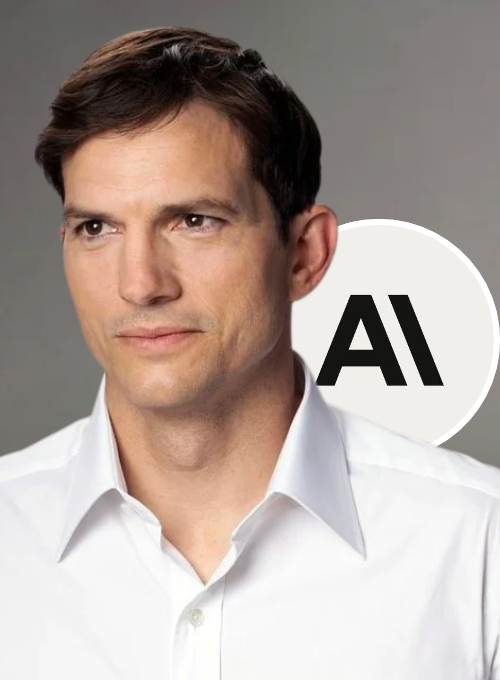


Sound Ventures, the investment firm set up by actor Ashton Kutcher and music manager Guy Oseary, first backed Anthropic with a $35 million cheque in spring 2023, a position now reports is worth around $7 billion.
That figure rests on private market valuations rather than a public share price but it stands as one of the sharper returns in recent venture history. The opening bet came in Anthropic’s Series C round, which valued the company at roughly $4.6 billion before the new money arrived. At the time Anthropic was a young AI lab founded by former OpenAI executives, still working to prove it could compete with its old employer.
Sound Ventures did not go in alone. Google and Spark Capital also took part in that round, pairing Big Tech strategic money with established venture backing. The firm then kept adding to its holding over later rounds, lifting its total commitment to Anthropic to approximately $435 million. Measured against the reported valuation, the stake is worth roughly 16 times the cash invested, though those remain paper gains.
Oseary made his name in the music business, managing and brokering deals for major acts long before he became a regular in venture circles. Kutcher moved from sitcom fame into angel investing and built a reputation as a serious tech investor. The two founded Sound Ventures in 2015, out of their earlier A-Grade Investments partnership and in 2023 set up a dedicated AI fund of nearly $240 million.
Sound Ventures kept investing as Anthropic grew, which helps explain how a $35 million opening cheque became a position measured in billions. The firm also holds an early stake in OpenAI, reported to be worth over $1.2 billion based on its earlier valuation.
The most immediate question now is liquidity. Anthropic is preparing for an initial public offering anticipated in late 2026, which would give investors such as Sound Ventures a public market for their shares and test whether those private valuations hold, climb or fall. A public listing could confirm the paper gains, push them higher or shrink them, depending on how public investors price a frontier AI company. Until then the $7 billion figure is best read as a mark rather than a payout, with lockup periods, share price swings and the timing of any sales all shaping what the firm eventually brings home.