

The Trump administration said on Monday that it was moving ahead with an interim final rule to stop Chinese firms reaching advanced artificial intelligence chips by renting them from data centres in countries such as Singapore, closing a gap in US export controls days before President Trump travels to China.
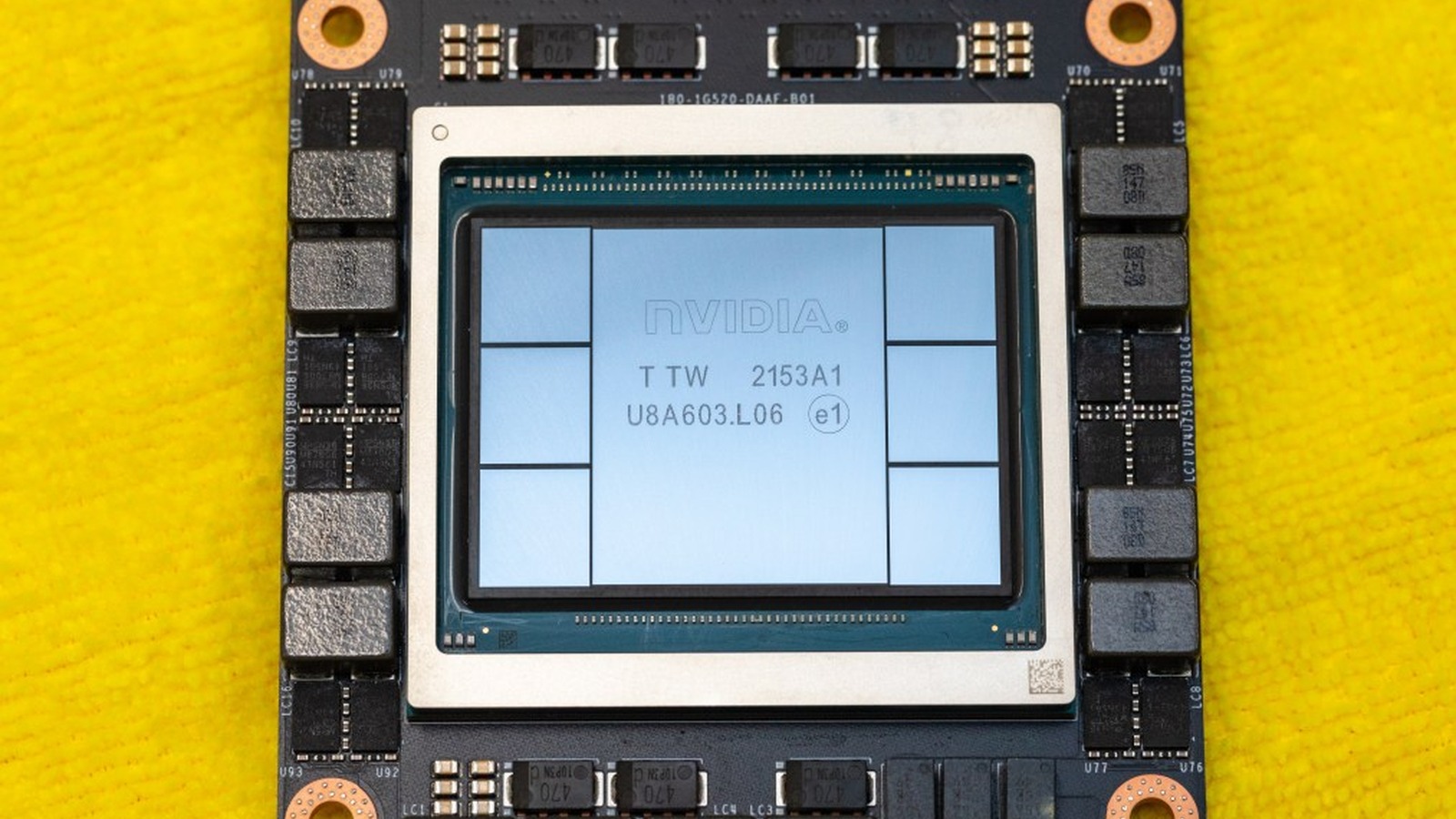
The rule targets what many in Washington have treated as a way around a Commerce Department ban that blocks Chinese companies from buying the most advanced AI chips made by firms such as Nvidia. Chinese clients have kept using those chips by renting capacity from data centres in Southeast Asia and elsewhere, a practice that has become a sharp source of contention inside the administration.
Under the new rule, overseas data centres that supply “significant volumes of computing power” to firms headquartered in a short list of high-risk countries, including China, Russia and Iran, face restrictions, and operators must carry out due diligence on their customers. That provision takes effect in 90 days and is meant, the release said, to “undermine” the ability of companies in those countries to use US chips to train advanced AI models. Exporting advanced chips to firms headquartered in Indonesia, Malaysia, Singapore, Thailand or Brazil, which the administration says carry a higher than normal risk of smuggling, will now require a licence.
Chip stocks fell on Monday morning. Nvidia dropped more than 2%, Intel fell by more than 6% and Micron by more than 7%. The Philadelphia Semiconductor index sank by more than 5% and the tech-heavy Nasdaq opened lower.
The issue has gained prominence through the case of Megaspeed, a Singaporean data centre firm created by Alice Huang, whom US authorities deem an asset for Chinese intelligence and who had a relationship with Jensen Huang, ousted as Nvidia’s chief executive last week. Authorities are investigating Megaspeed over allegations of smuggling chips to China. Its business, running data centres that remotely serve Chinese clients, is legal, which lets Chinese firms blocked from buying Nvidia chips rent them instead.
Monday’s announcement said the rule had been written by and at the direction of the Treasury Department and the National Security Council, both of which had pushed for tougher measures. Treasury Secretary Scott Bessent, Secretary of State Marco Rubio and trade representative Jamieson Greer had sought broad restrictions, while Commerce Secretary Howard Lutnick, who oversees chip export policy, pressed for a leaner version less onerous for Nvidia. On Friday Bessent blamed Lutnick’s department in a television interview for failing to sanction Megaspeed, saying the Commerce Department “has the pen”, and adding that Nvidia should be “held accountable” if it did not do enough to prevent illegal diversion of chips.
The Biden administration had issued global rules on chip sales just before leaving office, including restrictions on remote access, which Trump officials rescinded in May 2025. Trump arrives in China on Wednesday for meetings expected to cover the war in Iran, nuclear nonproliferation and trade.