

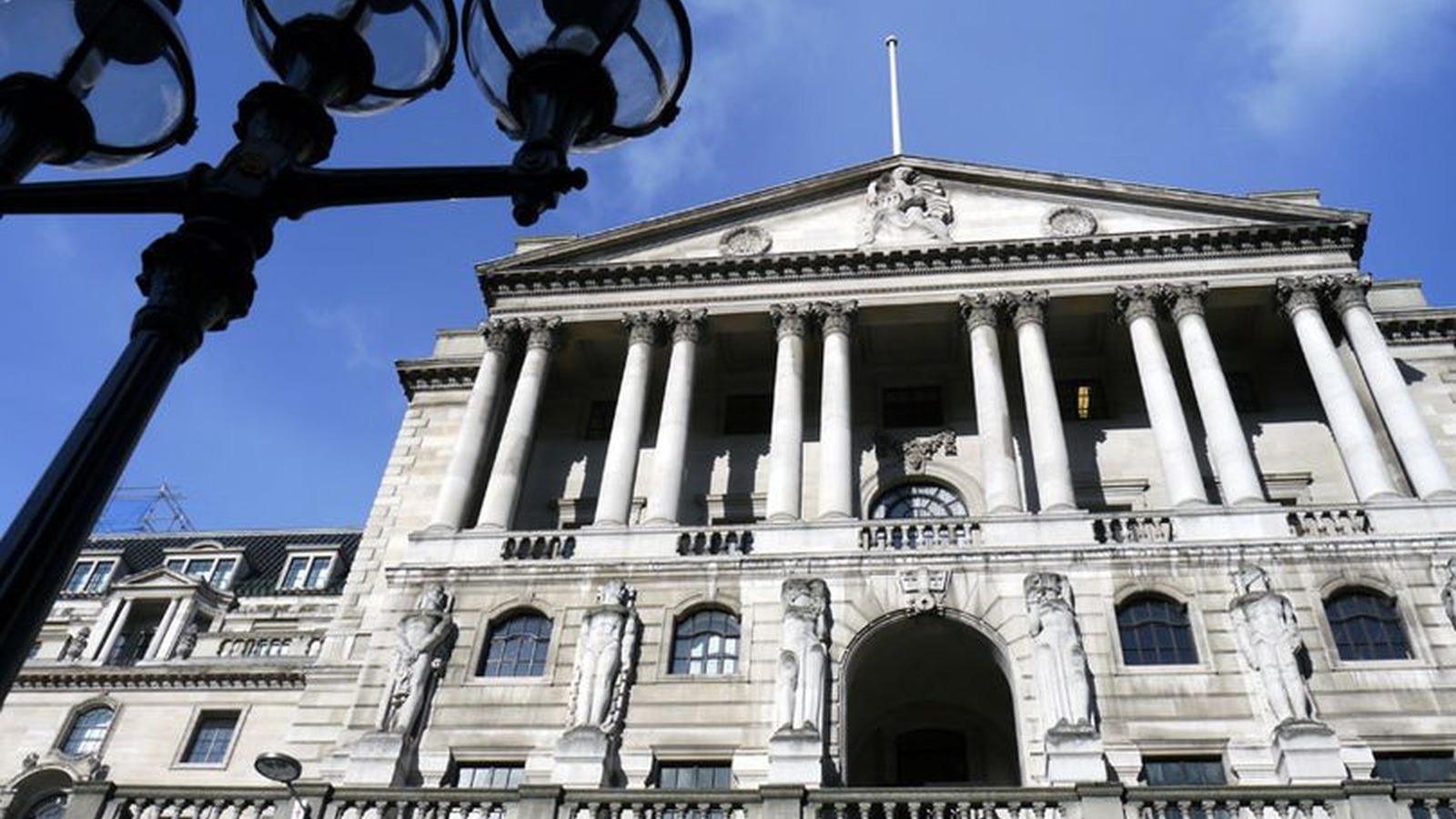


Borrowing just got more expensive. The Bank of England lifted its base rate to 4% from 3.75% on Thursday, the first rise in more than three years, in a bid to rein in prices that have started climbing again.
Few in the market were surprised. Rising petrol and diesel costs have been pushing inflation upwards and the higher rate now feeds straight into the cost of mortgages, loans and credit cards. Savers come out ahead, with lenders expected to pay more on deposits.
Inflation sits a long way below the peak reached a few years ago but the direction has reversed. The Consumer Prices Index hit 3.5% in the year to September 2026, up from 3.1% a month earlier and still runs well clear of the Bank’s 2% target. Fallout from the Iran war, chiefly on energy and fuel, has worked into the UK figure and millions of households face a sharp rise in domestic energy bills in January.
The last increase came in August 2023. The base rate is the price the Bank charges other banks and building societies to borrow and it shapes what those lenders charge for mortgages and pay on savings.
For the 510,000 people on tracker mortgages, the change bites straight away. UK Finance calculates that a 0.25 percentage point rise adds £31 a month to repayments on a typical tracker. The 470,000 on variable deals wait for their lender to act, with the same rise usually meaning an extra £14 a month.
Fixed-deal borrowers sit out the immediate hit, since their payments stay put until the deal ends. The sting arrives at renewal, and lenders have already built the rise into their quotes. Moneyfacts put the average two-year fixed residential rate at 5.96% on 4th November, with the five-year average at 5.99%. Anyone coming off a five-year deal is in for a far heavier bill.
Broker L&C said the rates offered by the ten biggest lenders now leave some borrowers paying almost £5,000 more a year on a £200,000 mortgage over 25 years than those who remortgaged in 2021. Back then, the average five-year fixed remortgage rate across those lenders was 1.30%.
Steep fixed rates have nudged some borrowers towards trackers, betting on a lower rate even if the base rate climbs further. The decision rests on whether people are sure they can absorb future increases, with much hanging on the finer points of each deal.