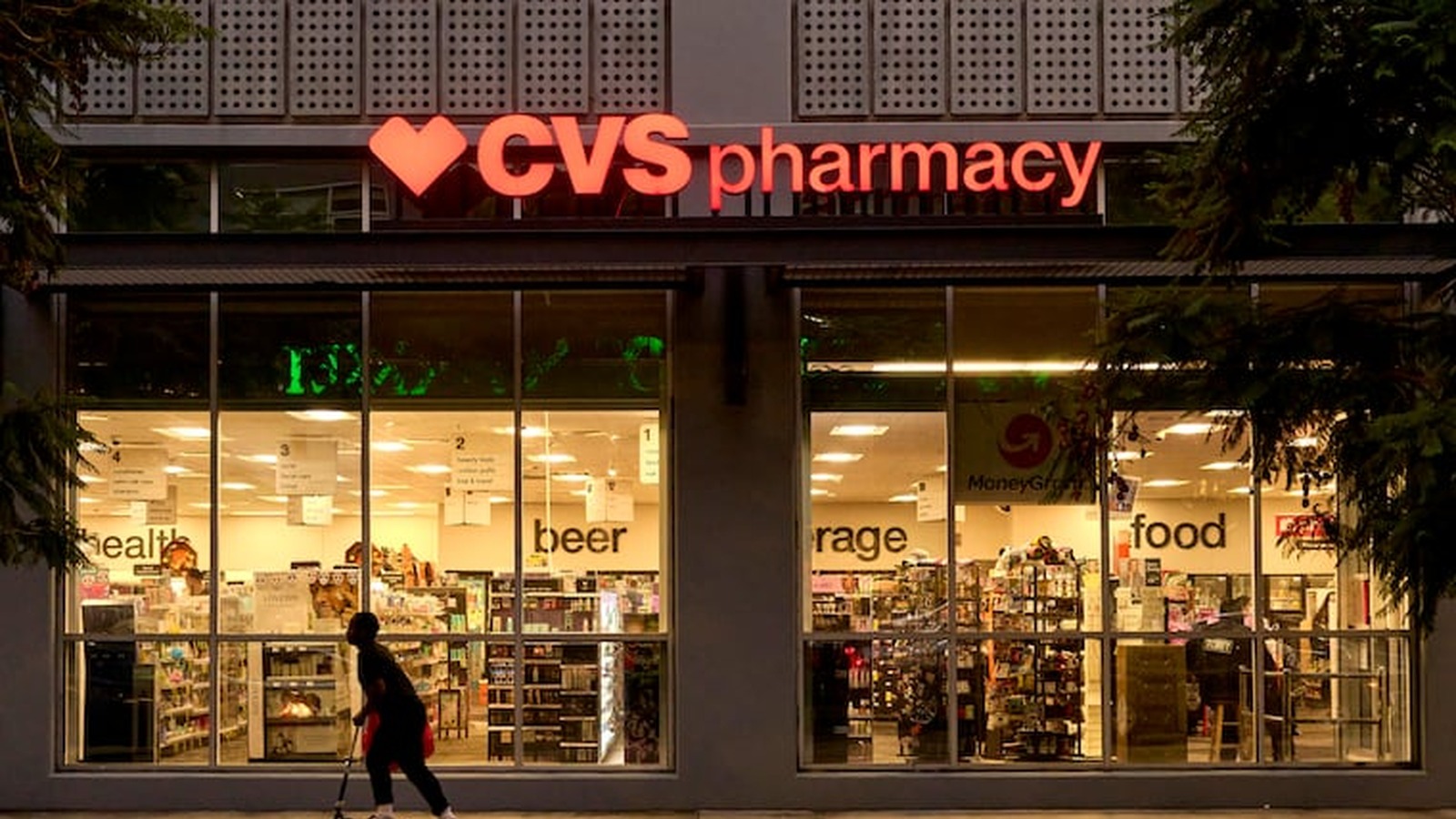


CVS Health is pulling itself apart. The company said on Wednesday it will separate into two listed businesses, cutting its retail drugstores loose from its insurance and pharmacy-benefit arms and dismantling the healthcare empire it had spent years stitching together through deals. It expects to finish the separation in the first half of 2028.
The decision undoes a strategy built on keeping retail pharmacy, health insurance and pharmacy-benefit management inside a single company. CVS assembled that structure through a string of acquisitions, among them its purchase of insurer Aetna for roughly $78 billion in 2018. Investors were not keen: the shares dropped more than 10% in early trading on Wednesday. Leerink Partners analyst Michael Cherny tied part of the premarket slide to uncertainty over the deal and to the wider swings in healthcare stocks after the midterm elections.
Once the split goes through, the healthcare solutions business will keep the CVS Health name for now, under current chief executive David Joyner. Group President Prem Shah will run CVS Pharmacy. Joyner said the company was acting from a position of strength and with a long-term view, creating two focused businesses to sharpen consumer engagement, affordability and care coordination.
The breakup lands as lawmakers and regulators take a harder look at vertically integrated healthcare firms like CVS. Years of mergers have fed worries that companies holding several links in the healthcare supply chain can run into conflicts of interest, squeeze out competition and drive up costs. Some analysts said splitting the parts apart could take the edge off that scrutiny.
The pressures on each side are real. Health insurers have been wrestling with rising medical bills as people use more care, pushing companies to lift premiums, pare back benefits and walk away from less profitable plans. The drugstore side has had its own squeeze, between Amazon's competition and a move towards prescription delivery that has thinned store footfall, the kind of visits that once brought in extra retail sales. Walgreens hit much the same wall, offloading its Boots business and ending up in the hands of private equity firm Sycamore Partners last year after a drawn-out sale.
Analysts broadly backed the move, and pointed to timing. Morningstar analyst Julie Utterback said the recovery at CVS's Pharmacy and Consumer Wellness arm, after a long stretch of underperformance, made this a better moment to act, since it is easier to move from strength than from weakness.
CVS also posted third-quarter numbers alongside the announcement. Per-share profit came in at $2.09, ahead of the $1.65 analysts had expected on average, according to data compiled by LSEG. The company lifted its full-year adjusted profit forecast to at least $8.20, while staying cautious on the months ahead given persistently high medical costs and possible economic headwinds. When the separation completes, existing CVS Health shareholders will hold stock in both companies.